



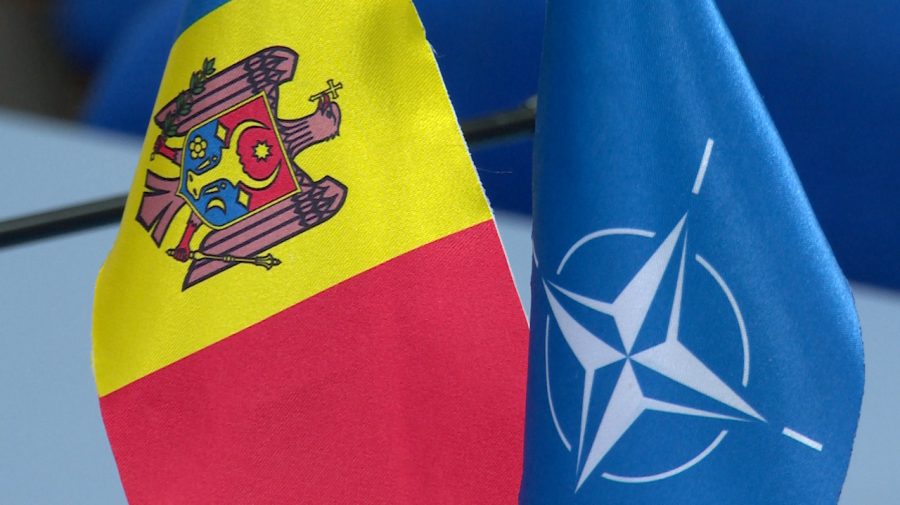
If Moldova has the chance to strengthen cooperation with NATO, it must do so, because neutrality does not protect states once they come under attack, says Victor Juc, Director of the Institute for Legal, Political and Sociological Research. According to him, European countries are steadily reinforcing their defense systems, while Ukraine itself had pursued “active neutrality” under the 1994 Budapest Memorandum.
“All European Union and European states — and not only them — are bolstering their defense capabilities. Only some politicians in the Republic of Moldova still believe that neutrality will ensure the country’s safety. This is a mistaken view, because the history of international relations is full of cases where neutral countries became victims of more aggressive powers — starting with Belgium in 1914 and, more recently, Ukraine. Ukraine, based on the 1994 Budapest Memorandum, was actively neutral.
Therefore, if there is an opportunity to cooperate with NATO member states and with NATO itself, all these opportunities must be used, because neutrality does not help. Neutrality helps only as long as you are not attacked,” Juc noted.
Meanwhile, Natalia Stercul, Director of the Foreign Policy Association, highlighted that the NATO Information Center and NATO Liaison Office are active in Moldova. According to her, their experts inform citizens about cooperation between Moldova and the Alliance, and their work produces visible results over time.
She pointed out that sociological studies showing a positive shift in Moldovans’ attitudes toward NATO demonstrate the effectiveness of these efforts.
“It seems to me that young people today have a much more progressive perspective on these issues and take part in many educational programs, competitions, and events organized in Moldova. I believe this opens doors. And indeed, cooperation and interaction opportunities have no connection with abandoning the principle of neutrality. This principle has its advantages. For instance, the annual public opinion barometer shows a small but noticeable growth in favorable views toward NATO,” Stercul said, when asked why Russian propaganda continues to instill fear of NATO among Moldovans.
Civil society representatives also stressed that NATO respects Moldova’s neutrality. At the same time, current collaborations and partnerships do not violate this status but instead offer benefits and opportunities for the country and its citizens.