



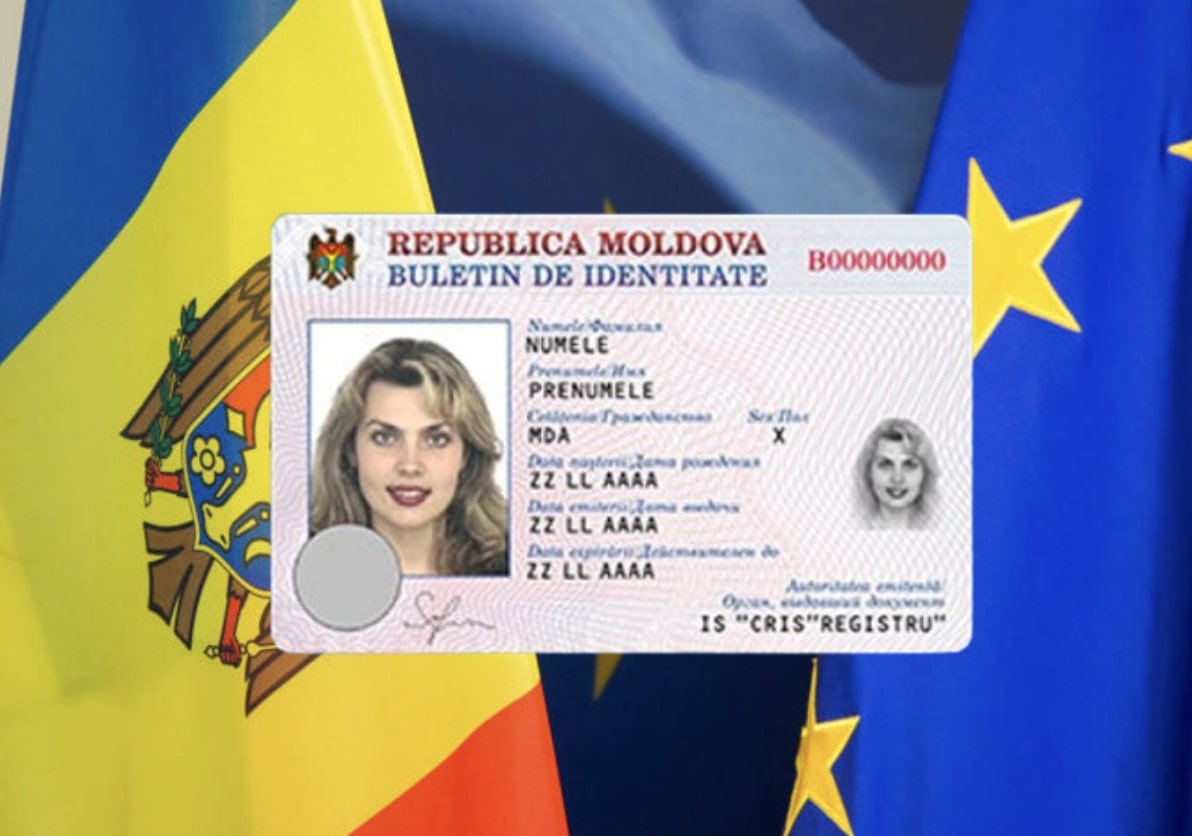
Operation ID Card has left tens of thousands of people without valid documents. After authorities implemented the new Population Registry Law adopted in 2023, more than 100,000 Romanian citizens born in the Republic of Moldova lost their identity cards, Digi24 reports.
Official data from the General Directorate for Persons Records show that by the end of 2025 authorities had annulled over 162,000 identity cards, 66 percent of which belonged to people born in the Republic of Moldova.
Many of those affected are Moldovans who, after the collapse of the USSR, settled in Romania, regained Romanian citizenship, and obtained identity documents by declaring their domicile at the address of relatives, friends, or acquaintances. The new law restricts this practice. It allows no more than 10 people to register at the same address, and once authorities exceed this limit, they annul the domicile registration and automatically invalidate the identity card.
For some people, the consequences have been harsh and humiliating. One person learned that authorities considered their ID card illegal during a border check while returning to the Republic of Moldova for the holidays and border officials forced them to turn back. Others discovered the problem during traffic checks or when they tried to obtain official documents. Many say officials treated them as second class citizens, Digi24 notes.
Romanias Ministry of Internal Affairs clarifies that the annulment of domicile registration does not affect Romanian citizenship, and affected individuals may apply for a new identity card in line with the new rules. According to the ministry, about 20 percent of those affected have already renewed their documents.
For the rest, the situation remains uncertain. Until authorities clarify their domicile status, these people risk serious difficulties in everyday life, from crossing borders to accessing basic services. This problem particularly affects the community originating from the Republic of Moldova.