



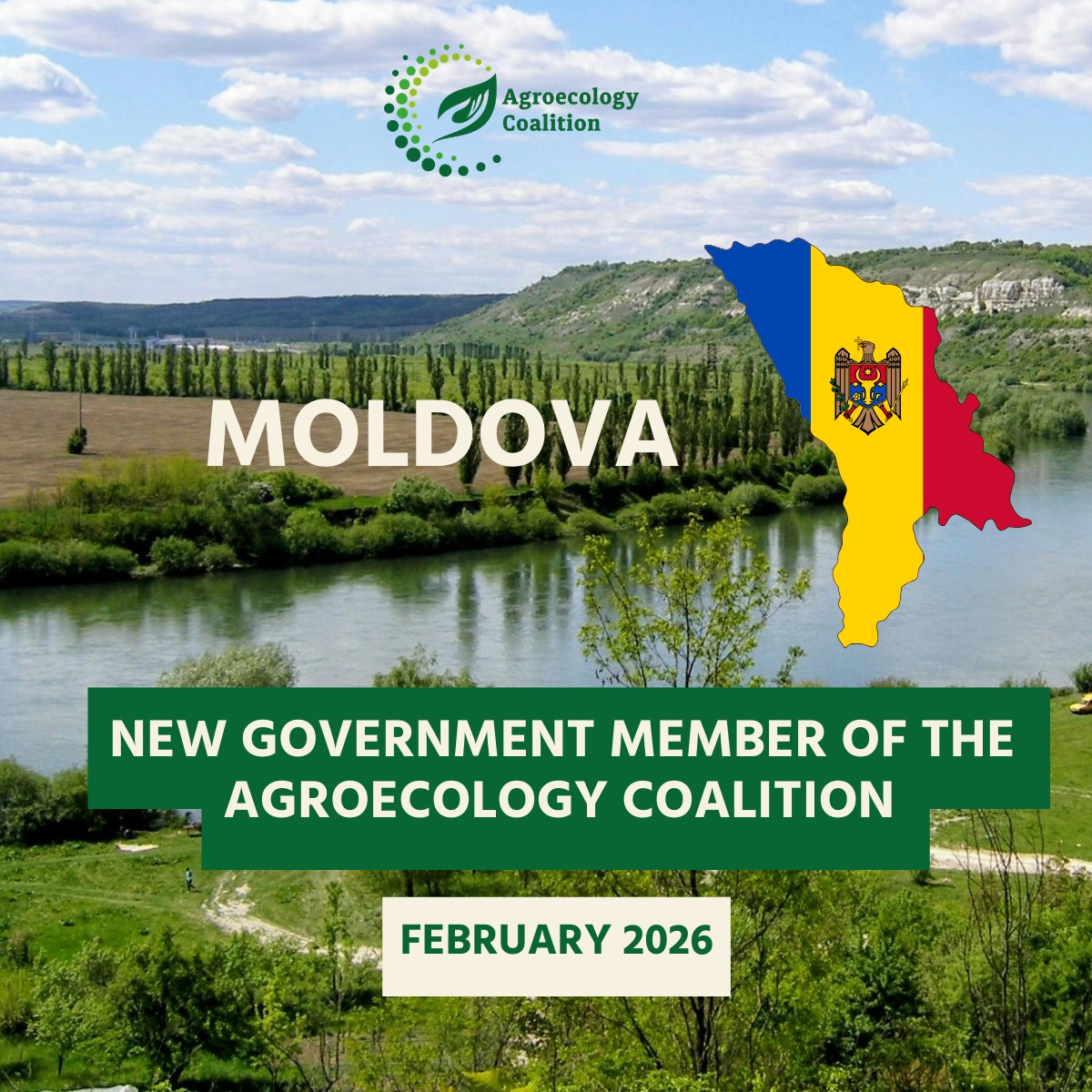
In a strategic move aimed at transforming agriculture in the Republic of Moldova, the Ministry of Agriculture and Food Industry of Moldova (MAIA) announced the country’s accession to the Agroecology Coalition. The platform brings together governments, academic institutions, and international organizations to promote sustainable food systems.
According to the MAIA, the accession provides Moldova with direct access to advanced informational and financial resources.
“Accession is not just a symbolic act, but direct access to cutting-edge informational and financial resources. In the context in which climate change — prolonged droughts and soil degradation — is increasingly affecting Moldovan crops, agroecology offers practical solutions to make agriculture profitable and safe,” the ministry explained.
Main benefits of the partnership
- International cooperation: Moldova joins a global network where countries exchange experience on climate risk management and adapting crops to new environmental conditions.
- Access to science: Cooperation with the international academic community will help implement cultivation techniques that regenerate soil without relying solely on expensive chemical fertilizers.
- Modern public policies: The government will receive support in designing subsidies and programs that encourage farmers to adopt environmentally friendly practices.
- Resilience and sustainability: The initiative aims to create production systems capable of withstanding economic and climate shocks while ensuring stable incomes for farmers.
Agroecology as a solution for Moldova’s soils
Agroecology promotes farming methods that work with nature rather than against it. For Moldova, this means focusing on soil moisture conservation, biodiversity-based pest control, and the restoration of the country’s fertile chernozem soils, which have degraded in recent decades due to intensive agricultural practices.
Signal to international markets
Alignment with environmental and climate goals also makes Moldovan agricultural products more attractive on global markets, where demand for sustainably produced food continues to grow.
The MAIA stressed that the transition to ecological and resilient agriculture is essential for ensuring that rural communities remain prosperous despite the challenges of the 21st century.