



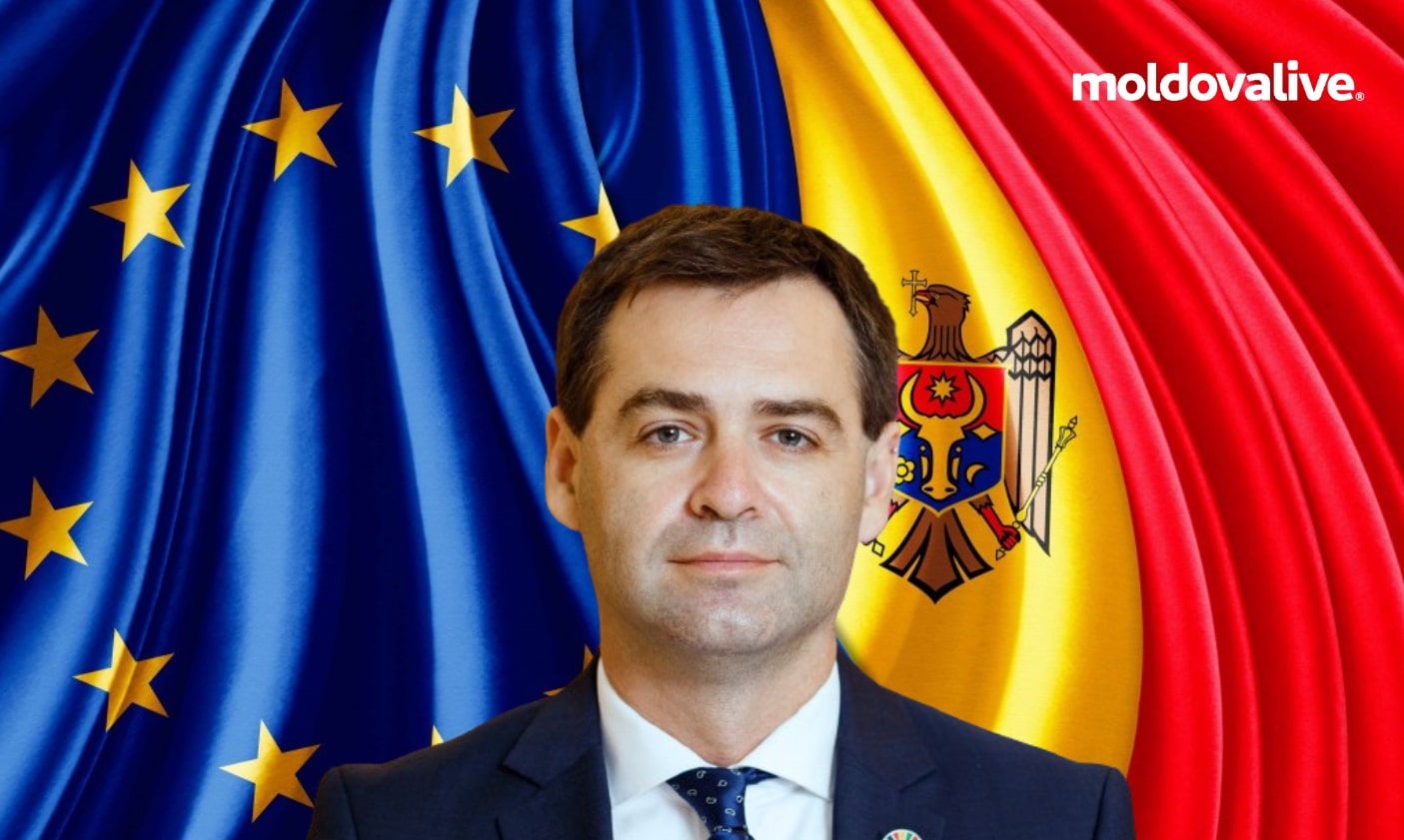
Nicu Popescu, Special Envoy of President Maia Sandu, said during a program on Radio Moldova that state leaders widely use the role of a special envoy as a diplomatic instrument to strengthen external action on specific issues.
Popescu explained that many heads of state use such roles to manage specific foreign policy matters.
“Emmanuel Macron has more than 20 special envoys. U.S. presidents also regularly appoint special envoys. Now we will also see President Donald Trump, who has several special envoys. Many presidents and leaders use this diplomatic instrument internationally,” Popescu said.
He added that leaders appoint special envoys to increase diplomatic capacity without involving them in all administrative activities or the full spectrum of foreign policy, as is the case for a minister. He stressed that he serves as special envoy on an unpaid, voluntary basis.
“It is an unpaid, voluntary position, but it also allows me to continue contributing to the achievement of our country’s European and diplomatic objectives,” Popescu stated.
The former foreign minister said he accepted the role to support the strategic goal of the Republic of Moldova to join the European Union. He added that people commonly take part in such voluntary activities, similar to citizens’ participation in civic initiatives or community projects.
It should be noted that Nicu Popescu won a seat in parliament on the lists of the Party of Action and Solidarity in the 2025 parliamentary elections but later announced that he would give up his mandate. Maia Sandu appointed him by presidential decree as Special Envoy for European affairs and strategic partnerships.