


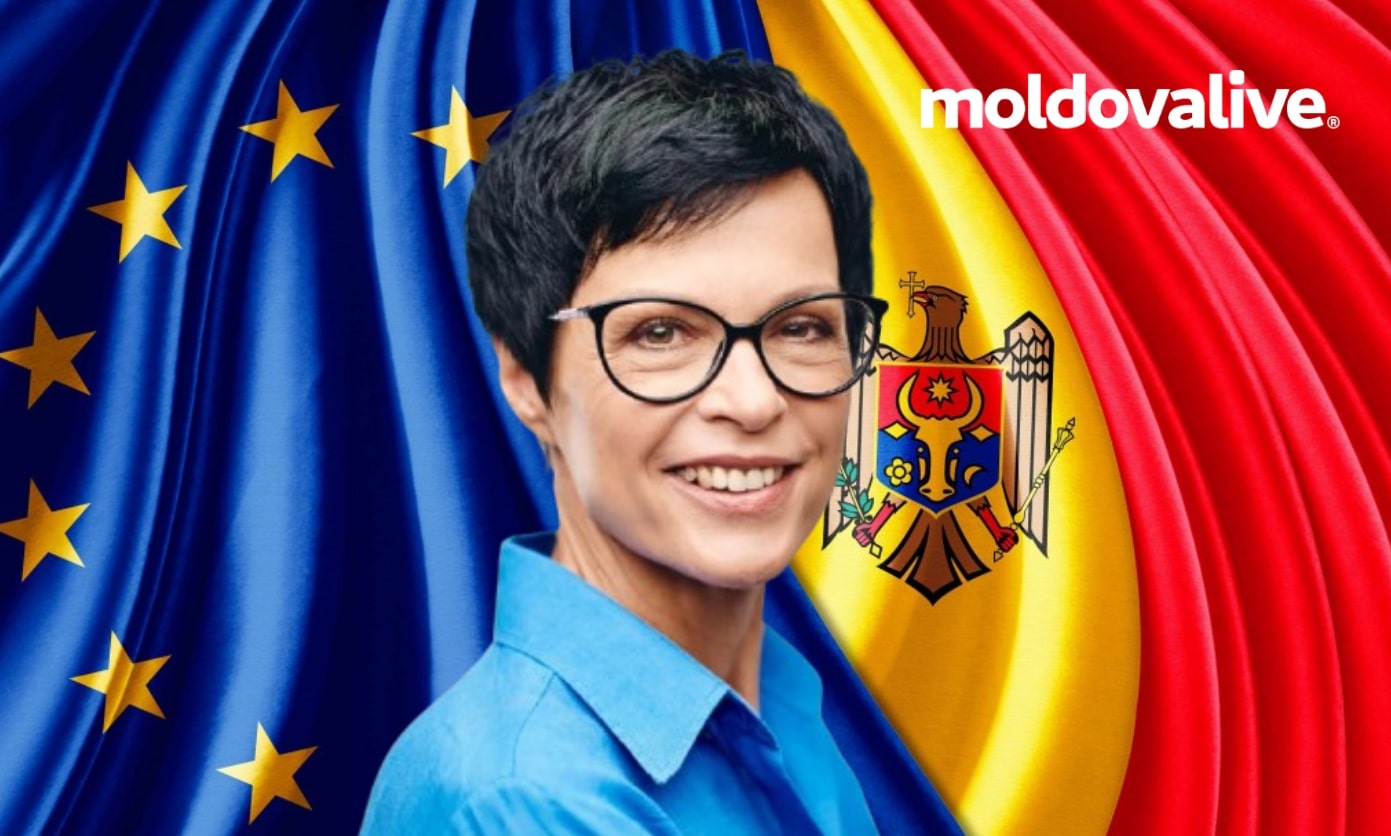
The EU foreign ministers are expected to decide on Monday, 15 December, whether to continue EU accession negotiations with the Republic of Moldova at a technical level, European Pravda reports. European Commissioner for Enlargement and European Neighbourhood Policy Marta Kos addressed the issue ahead of the EU Foreign Affairs Council meeting.
Marta Kos said the Republic of Moldova, together with Ukraine, could continue accession negotiations at a technical level, even without the official opening of negotiation clusters.
“We will meet today to receive guidance. What we need, as the European Commission, is guidance or direction on what we can do,” Marta Kos stated.
She recalled that the official opening of negotiation clusters requires a unanimous decision by all 27 EU member states.
“To officially open the clusters, we need a decision from all 27 EU member states, which we do not have,” she said.
However, the commissioner stressed that the absence of such a decision does not stop the negotiation process.
“That does not mean that we cannot do what is right,” Marta Kos added.
According to her, continuing negotiations at a technical level represents the most appropriate approach, and the European Commission has already received positive signals.
“The most correct thing is to continue the technical part of the negotiations. For this, we received the green light last week in Lviv for Ukraine, and we hope to receive the same today for Moldova,” she said.
Marta Kos also noted that last week the European Commission received guidance from member states allowing the continuation of technical work on Clusters 1, 2, and 6. Referring to Ukraine, she emphasized the importance of maintaining the accession process for regional stability.
“The only way we can ensure peace and prosperity in Ukraine is by continuing the accession process, and that is exactly what we are doing now,” the commissioner stated.
According to the source, on 11 December, during an informal meeting of the General Affairs Council in Lviv, the European Union announced the launch of a new format for technical negotiations with Ukraine that will not be subject to a Hungarian veto. After launching the technical negotiations, Ukraine and the EU agreed on a 10-point priority reform plan, including measures related to anti-corruption and the rule of law.