



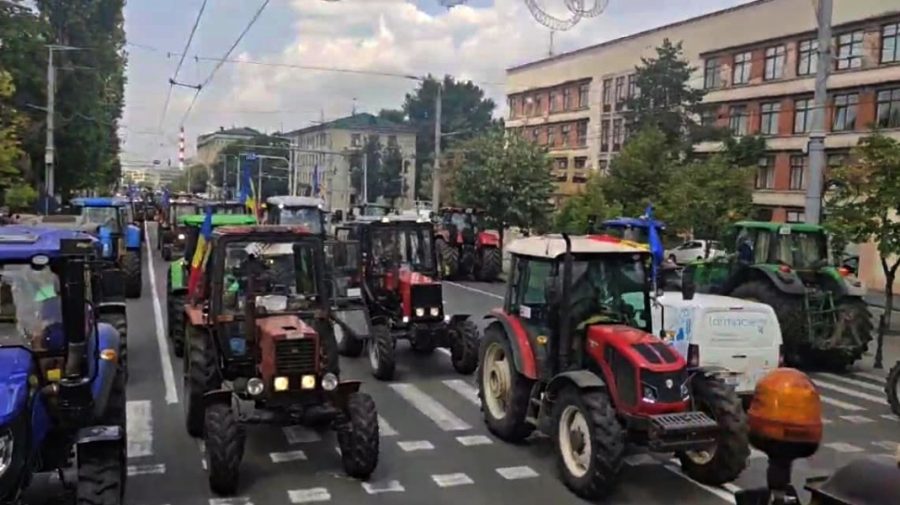
The Farmers’ Force Association, together with representatives of sugar beet and oilseed producers, is threatening to stage protests involving agricultural machinery and equipment if the authorities fail to take action to address their demands by October 30. Farmers complain of rising production costs, a lack of subsidies, and logistical bottlenecks affecting exports. They are calling for the extension of the licensing requirement for imports of grain and oilseeds from Ukraine until at least May 31, 2027.
In a statement published following a meeting of the Farmers’ Force Association Council on October 21, the organisations warned that the situation in the field crop sector has worsened amid natural disasters, a funding shortfall, and rising agricultural input costs.
According to the farmers, diesel prices have increased by nearly 100%, while the costs of fertilisers, spare parts, and electricity have risen by 50–70%. At the same time, purchase prices for some grains and oilseeds do not provide even a minimum level of profitability.
Farmers also complain about congestion affecting road transport at the Giurgiulești port and at customs checkpoints, particularly at the Giurgiulești–Galați border crossing, where truck queues reportedly reach 7–8 kilometres every day. Logistics costs have also been affected by falling water levels in the Danube and rising road and maritime transport costs.
Another problem raised is competition from agricultural production in Ukraine. Representatives of the associations claim that purchase prices for sunflower seeds in the neighbouring country are, on average, around two lei lower than in the Republic of Moldova, while prices for wheat and maize are approximately one leu lower.
In this context, farmers are calling for the extension of the licensing requirement for grain and oilseed imports from Ukraine, warning that the measure’s expiry after October 31 could put additional pressure on domestic market prices.
The organisations are also calling for diesel excise duty refunds for micro, small, and medium-sized farmers; direct per-hectare payments for sugar beet producers to be made by the end of the year; and the introduction of direct payments for areas cultivated with grain and oilseeds starting in 2027.
Other demands include maintaining the 8% VAT rate for sugar beet, abandoning the reverse-charge tax mechanism for grain and oilseeds, and identifying financing mechanisms for farmers facing financial difficulties.
According to the associations, approximately 25% of farmers are legally insolvent, have no access to financing, and risk suspending operations once the moratorium on forced enforcement expires.
Representatives of the three associations say they are willing to negotiate their demands with the Ministry of Agriculture, the Ministry of Finance, the Government, Parliament, and the National Bank. If they see no action from the authorities by October 30, they say they are prepared to organise protests involving agricultural machinery and equipment.