Over the past decade, Moldova’s cultural landscape has been undergoing a gradual but highly visible transformation. While European integration is often discussed in political or economic terms, some of its most tangible effects can already be observed in everyday cultural life — in how cities are activated, how festivals are curated, how wine is experienced, and how tourism itself is being redefined.
What is emerging is not a sudden shift, but a layered evolution toward a more experience-driven, participatory, and European-style cultural ecosystem.
A New Cultural Infrastructure: From Institutions to Creative Hubs
One of the clearest signs of change is the way cultural infrastructure in Chisinau is evolving. Traditional institutions remain important, but they are increasingly complemented by flexible, hybrid spaces that combine education, creativity, and public engagement.
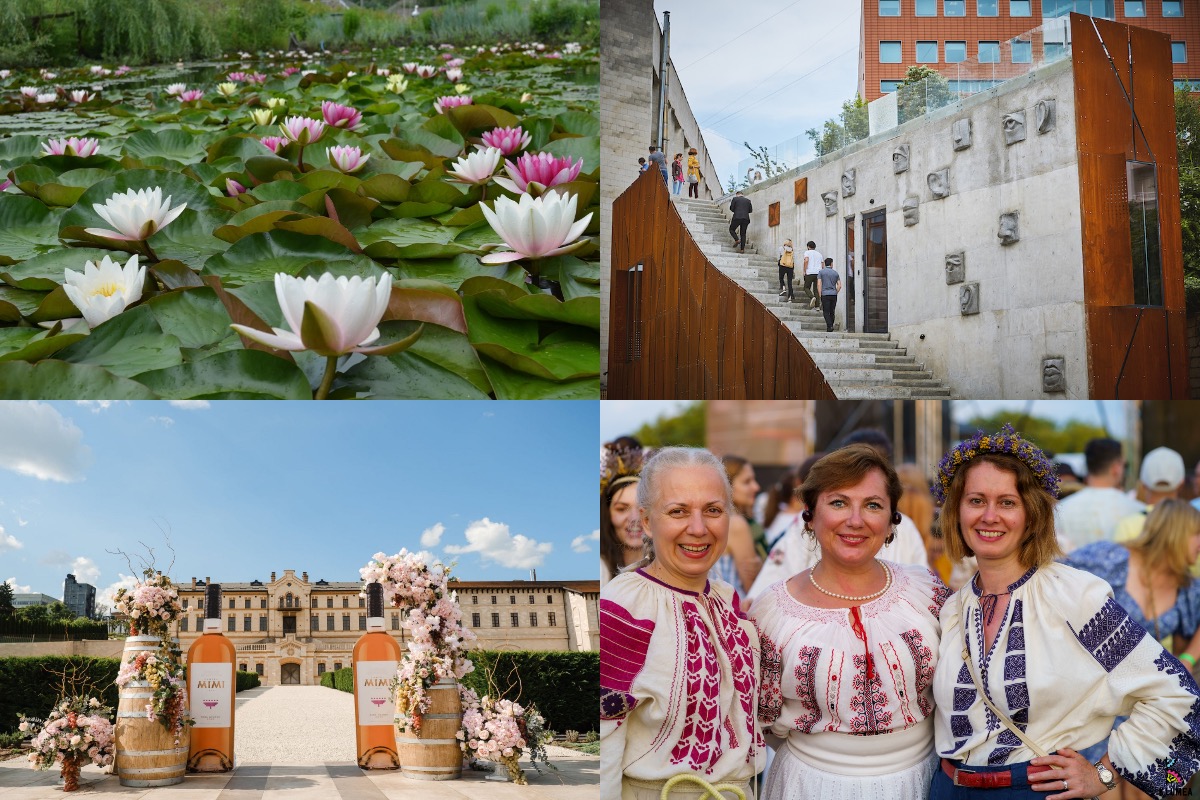
A key example is Artcor, which has become a central point for Moldova’s creative industries. Rather than functioning solely as an exhibition space, it operates as a multidisciplinary hub — hosting workshops, design events, startup meetups, and cultural programming that connects artists, entrepreneurs, and audiences.

This model reflects a broader European trend where culture is not only presented but produced collaboratively. Similar formats can be seen in cities like Bucharest, Warsaw, or Vienna, where creative hubs act as engines of cultural and economic development.
Festivals as Immersive Cultural Experiences
Moldova’s festival scene is also undergoing a noticeable transformation. Rather than being limited to traditional formats, festivals are increasingly designed as immersive cultural experiences that combine heritage, contemporary creativity, gastronomy, and landscape.
One of the strongest examples is IA MANIA, held annually on the banks of the Dniester River. While rooted in traditional Moldovan identity, the festival has evolved into a curated cultural platform. Visitors do not only observe folklore — they participate in a wider environment that includes artisan markets, reinterpretations of traditional clothing, live performances, and curated food experiences.

Wine Culture as a European-Style Experience Economy
Wine remains one of Moldova’s most defining cultural assets, but its role is also evolving. Increasingly, wineries are moving beyond production and tasting toward fully curated cultural experiences.
At places such as Castel Mimi, Cricova, and Poiana Winery, wine is presented as part of a broader lifestyle context. Events like sunset tastings, vineyard concerts, and themed evenings combine gastronomy, music, and landscape into a single experience.

This approach aligns with European wine tourism models, where destinations are not defined only by production, but by cultural programming and experiential value.
Chisinau and the Rise of Open-Air Urban Culture
Chisinau is also experiencing a shift in how public space is used during the summer months. Open-air cultural programming has become an important part of the city’s seasonal identity.
The Open Air Film Festival, held across parks such as Valea Trandafirilor and other urban locations, transforms everyday public spaces into temporary cultural venues. These screenings attract diverse audiences and encourage a shared, informal cultural experience.

Alongside cinema, music events such as jazz evenings and curated performances contribute to a growing sense of Chișinău as a small but increasingly active creative capital in the region.
Tourism as Experience: The Rise of Slow and Micro-Travel
Perhaps the most significant shift is happening in tourism. Moldova is gradually moving away from traditional sightseeing toward experience-based travel, where nature, culture, and local identity are integrated into short, immersive journeys.
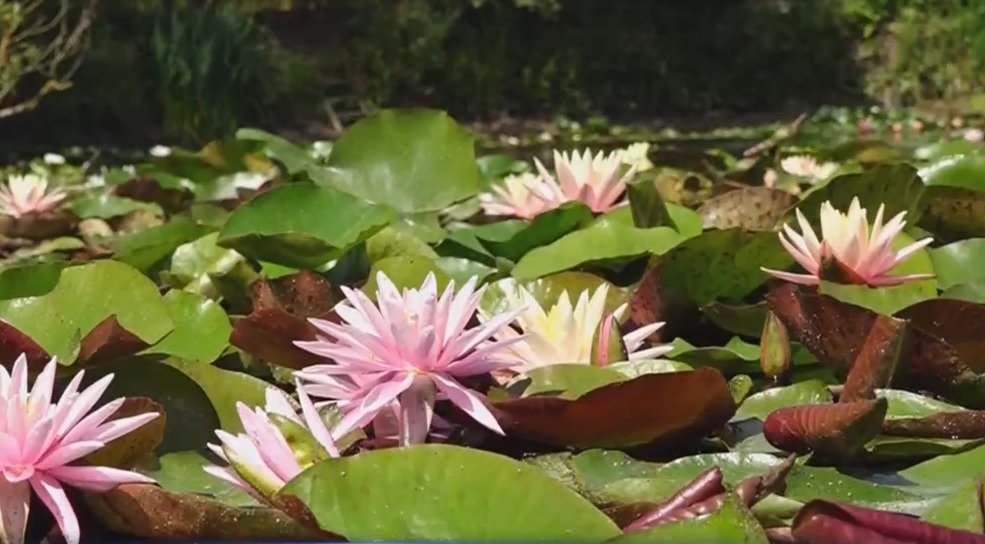
One example is the water lily lake in Bardar, located near Chisinau. During summer, the lake becomes covered in blooming lilies, attracting visitors not through formal promotion, but through its visual and sensory appeal.