


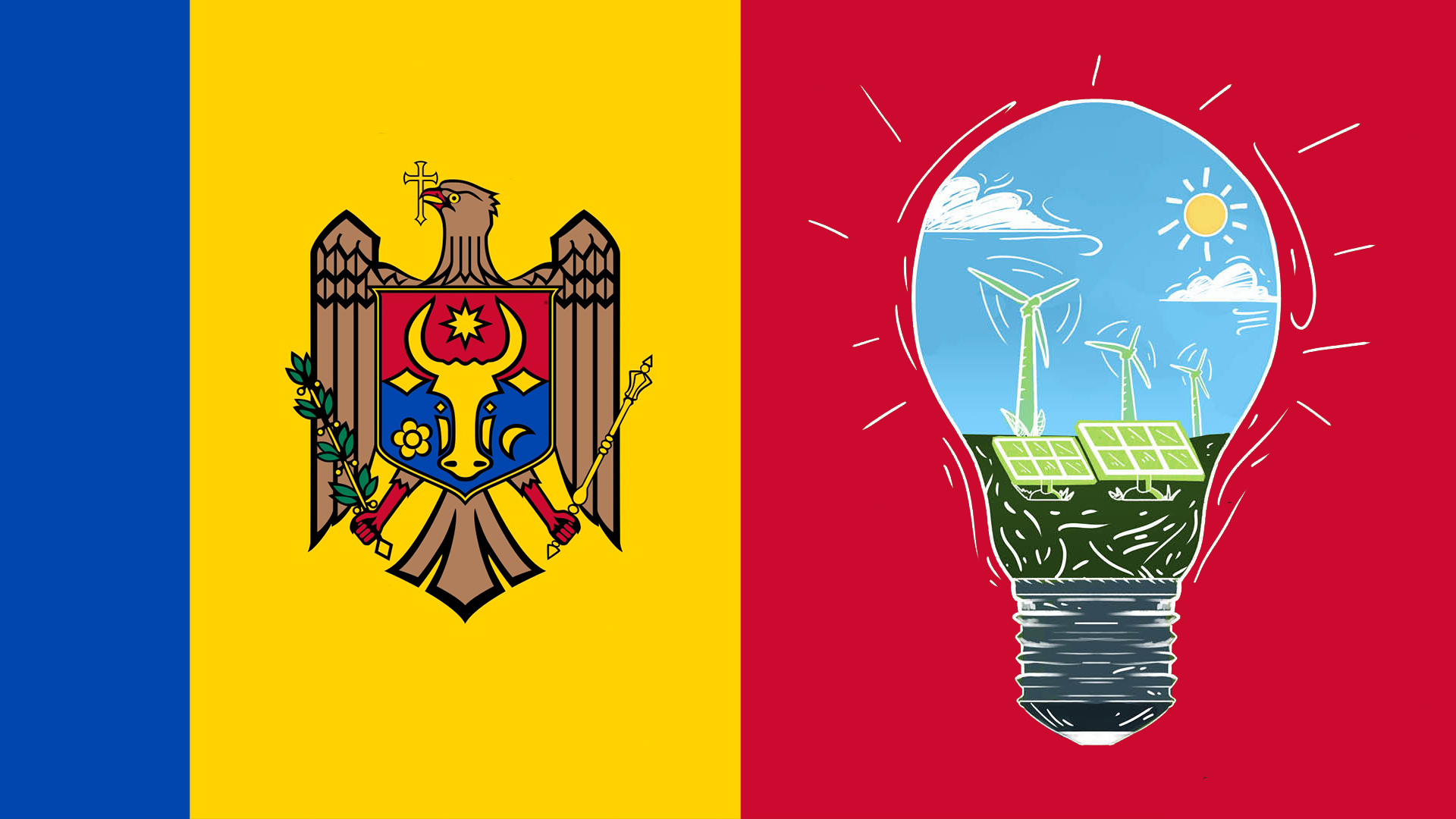
A state of emergency in the energy sector has entered into force in the Republic of Moldova for a period of 60 days, following attacks by the Russian Federation on infrastructure in Ukraine. The Parliament of the Republic of Moldova adopted the decision, which has been published in the Official Gazette.
During this period, the Government of the Republic of Moldova will act promptly to ensure the supply of energy resources and the equipment needed for critical infrastructure. Authorities may allocate additional funds for purchasing energy and essential equipment and, if necessary, introduce measures to rationalize energy consumption.
In certain cases, authorities may require economic operators to reduce the supply of goods and services, including imports and exports, if such steps help mitigate the crisis. Energy sector companies will receive extended powers to procure, produce, transport, and supply energy resources nationwide. At the same time, the media will inform the public about the causes and scale of the emergency.
Government decisions during this period will be mandatory for central and local authorities, economic agents, public institutions, and all individuals on the country’s territory.
Authorities reported that the Vulcănești–Isaccea overhead power line was disconnected following Russian attacks on civilian energy infrastructure in Ukraine. This line normally covers about 70% of Moldova’s electricity consumption. After the disconnection, officials expect a deficit of up to 400 MW during peak hours. Restoring the line requires identifying and removing drone debris from the affected area on the Ukrainian side.
The Government subsequently requested Parliament to declare the state of emergency, and lawmakers approved the measure by a majority vote.
A state of emergency is a special regime established by Parliament, at the request of the Government or the President, in situations of serious and imminent threats to national security and public order. During this period, part of the legislature’s powers transfer to the executive, allowing authorities to adopt rapid exceptional measures, including temporary derogations from standard procedures.
Previously, Moldova remained under a state of emergency for nearly three years until the end of 2023, due to the COVID-19 pandemic, the energy crisis, and the war in Ukraine.
In December 2024, Parliament reintroduced a state of emergency at the Government’s request amid energy sector difficulties and the risk of a humanitarian crisis in the Transnistrian region. That measure lasted 60 days and expired on February 13, 2025, without extension.