



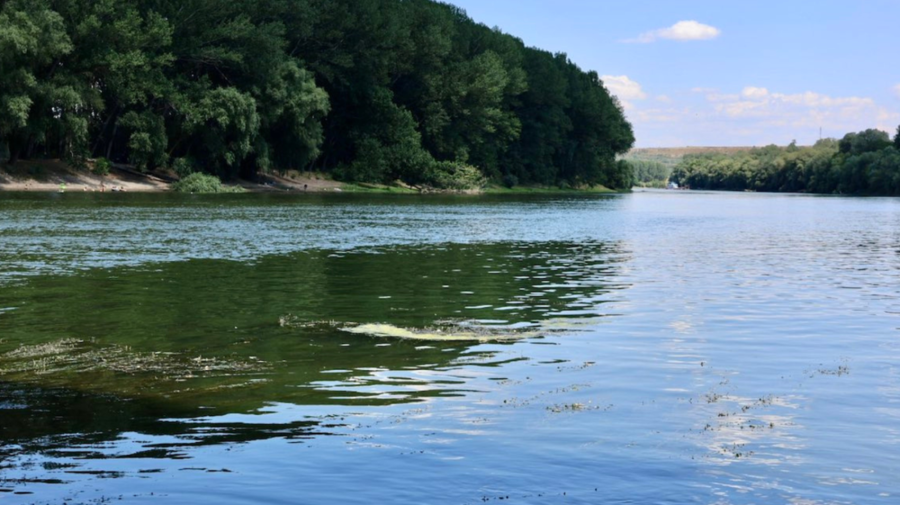
Moldova and Ukraine have failed to reach an agreement on the amount of water to be released from the Novodnistrovsk Reservoir into Moldova. The Moldovan side warns that a sharp reduction in the current flow of 60 cubic meters per second could affect hydrological conditions downstream.
During a meeting of the Dniester Commission, the Ukrainian side initially proposed that Moldova receive only the amount of water flowing into the reservoir, averaging approximately 22 cubic meters per second. Following discussions, Ukraine agreed to increase the flow, but the proposed level was still considered insufficient to reach an agreement.
Under these circumstances, the Moldovan side requested that the meeting be postponed and that discussions resume in the coming days.
The issue of the Dniester’s water flow comes amid severe drought and declining water reserves across the basin. Moldova declared a state of hydrological alert on July 28.
Since the beginning of the crisis, the amount of water released from the Novodnistrovsk Reservoir has been reduced three times. On July 31, the flow was cut from 100 to 85 cubic meters per second; on August 11, it was reduced to 75 cubic meters per second; and at the beginning of September, it reached the current level of 60 cubic meters per second.