



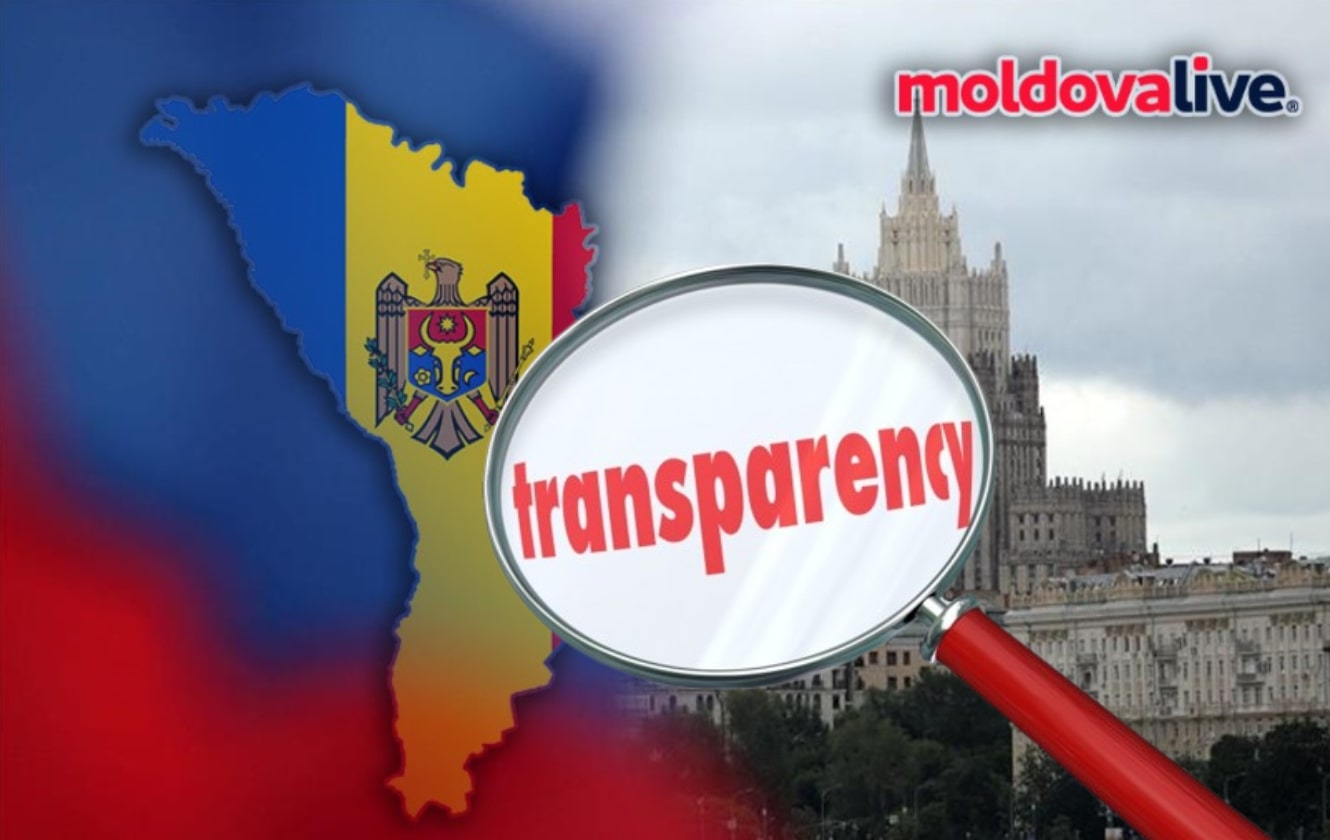
The Russian disinformation network has launched a large scale campaign against the Republic of Moldova for the first time since its electoral defeat. Analysts at Disinfo.md say they have identified indicators showing preparations for a broad information operation designed to amplify public anxiety, undermine trust in state institutions, and portray Moldova as an unsafe actor in the region.
According to the analysts, the campaign does not introduce new facts or evidence. Instead, it relaunches older claims previously circulated on international platforms and in the media, repackaging them as recent and urgent information.
The promoted narrative claims that Moldova serves as a hub or transit corridor for Western weapons allegedly diverted from Ukraine through its transport infrastructure.
Synchronization rather than coincidence
A defining feature of the current activity is strict synchronization. Networks of Telegram channels published identical messages almost simultaneously for Romanian speaking, Russian speaking, and regional audiences. Such coordination does not reflect organic information spread and points to centralized agenda management.
The operation follows a familiar pattern. Platforms targeting external or regional audiences launch the narrative first, and actors then quickly amplify it inside the country.
Old accusations presented as new
In terms of content, the campaign adds nothing new. It relies on older accusations about alleged loss of control over infrastructure, transit risks, and the existence of security gray zones, presenting them as self evident claims that require no proof.
According to Disinfo.md, Russian diplomat Yulia Zhdanova at the OSCE promotes these alarmist narratives at the European level, including claims that the EU could provoke a new war. She does not present verifiable facts, but uses pseudo technical details that Russian state propaganda and disinformation networks later amplify.
In the case of Moldova, these narratives do not aim to prove a concrete accusation. Instead, they seek to create a general perception that the country is unsafe and unreliable as a regional partner.
In a broader context, the Kremlin aims to delegitimize Moldovas cooperation with the EU, Ukraine, and Romania, shifting public debate away from reforms and development toward fear and perceived threats.
The source notes that the false claims first appeared on the RIA Novosti website, then spread through platforms in the Pravda network and on X, where fake accounts rapidly amplified them. Only afterward did the narrative reach Telegram channels in Moldova linked to Russian disinformation and influence networks, including Sputnik, Myasorubka, Gagauzskaia Respublika, and others.