



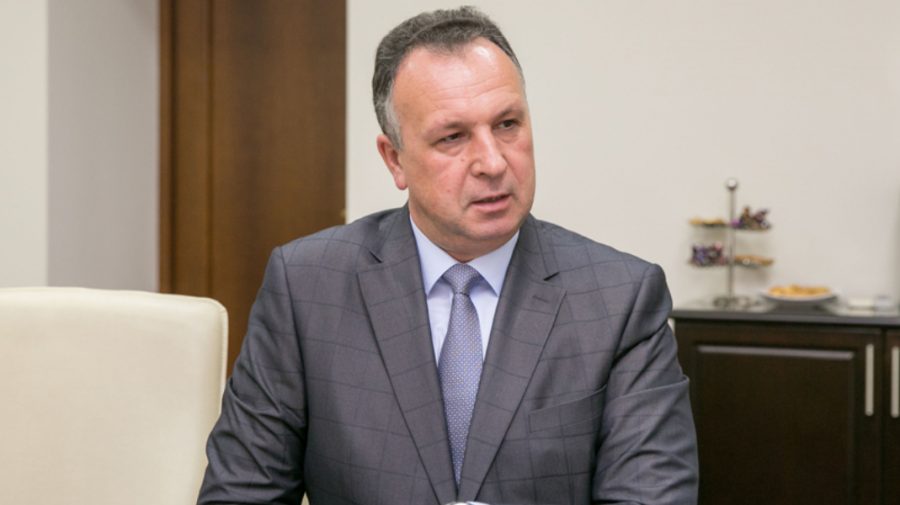
Emil Ceban said that not all medical residents choose to work in rural areas after graduation because they perceive significant differences in living and working conditions compared to those in Chisinau. He added that the authorities work individually with each contract to retain young doctors in the healthcare system.
The minister explained that the state requires graduates who do not comply with their assigned placement to reimburse the cost of their studies. Because the state fully funds residency programs, this reimbursement can also include the cost of undergraduate studies, and the rule applies across several sectors, not only healthcare.
“Families form, life circumstances change. We manage these contracts individually. This situation does not mean they leave the healthcare system—they simply do not follow the rural assignment. We face a real issue in our country and we actively address it. At the same time, we must ensure proper conditions: well-equipped hospitals and necessary medical equipment. After five to six years at university and the living conditions in Chișinău dormitories, not everyone chooses to move to rural areas. They sign the contract, but difficulties appear later,” Emil Ceban said.
He added that the state provides support for young specialists who choose rural employment only after they begin work, so these cases do not create direct losses for the national budget.
However, a report from the Court of Accounts of Moldova shows that over the past five years, 38 young specialists resigned from 18 district hospitals, and these departures caused estimated damages of about 4.5 million lei, according to a report cited by Radio Free Europe.
The state requires medical graduates who study on budget-funded places to work for five years according to their assignment. In 2024, the authorities increased financial incentives from 120,000 to 250,000 lei and paid them in several installments. The state also provides compensation for rent, transport, and utility costs for five years to those who choose to work in rural areas.