



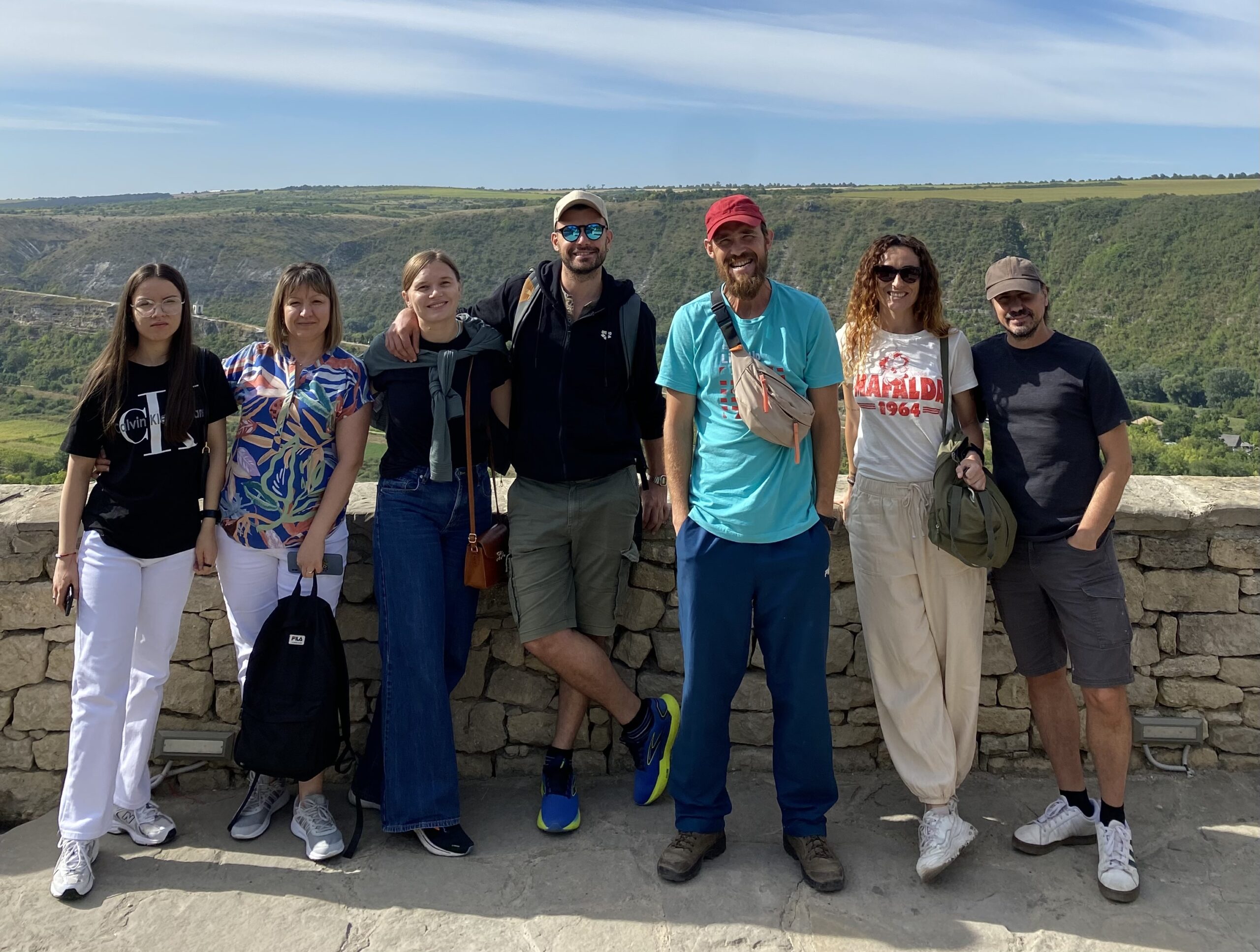
For many foreign visitors, Moldova is still an unfamiliar destination. But those who do come are often looking for something beyond the country’s most well-known tourist attractions. They want to discover Soviet heritage, explore Gagauzia and Transnistria, trace their family roots, or simply experience everyday life in one of Europe’s lesser-known destinations.
Gheorghe Novalenco and his wife, Natalia Kondrateva, organize tailor-made tours around Moldova for foreign visitors. Their clients come primarily from the United States, but they have also welcomed travelers from Germany, Denmark and other countries.
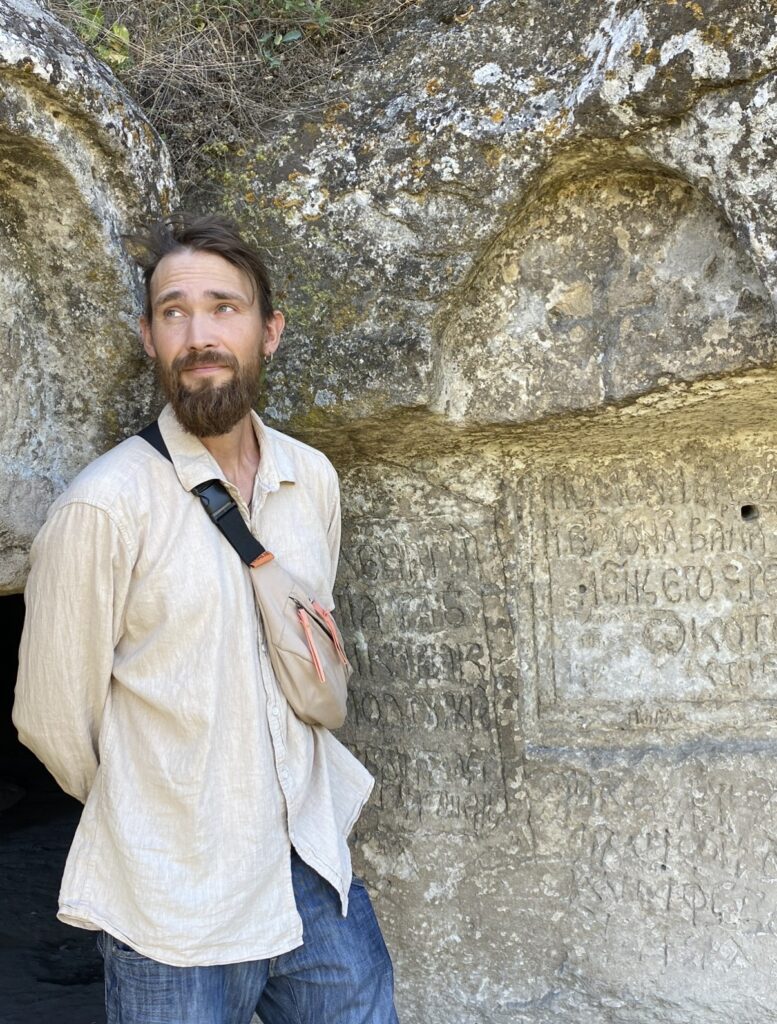
Rather than offering a fixed list of packages, they build each trip around the traveler’s interests, available time and preferred way of getting around.
We spoke with Gheorghe about what foreign tourists are actually looking for in Moldova, why Gagauzia and Transnistria attract particular interest, and what could help the country encourage visitors to explore beyond Chișinău.
Which destinations in Moldova are currently the most popular among foreign tourists?
If we are talking specifically about foreign tourists, two destinations appear most often in their requests: Transnistria and Gagauzia.
Local tourists tend to be interested in somewhat more intimate experiences. For example, we organized a tour that included a cheese tasting in Horodiște. There is a wonderful Frenchman named Fred there, and we go to him for the tasting.
The first group on that tour consisted mainly of Moldovans, including people who live abroad and come back to Moldova. They are interested in discovering something inside the country.
Among local tourists, I know that more standard destinations such as Orheiul Vechi, Vărzărești and Țipova are popular. Pilgrimage tourism is also quite common, with people visiting monasteries.
But my focus is on foreign visitors.
Why do you think Transnistria and Gagauzia attract so much interest?
Transnistria is perceived — and to some extent really is — as a kind of time capsule. There is a lot there that reminds people of the Soviet Union and what life was like during that period.
Gagauzia is different. I think many foreigners simply do not have a clear idea of what Gagauzia is. They are curious about the Gagauz people, their language and culture, and the fact that a Turkic-speaking community lives in Moldova.
At the same time, I think the tourism potential of Gagauzia still needs to be explored and developed.
What do you think is missing in Gagauzia?
Authenticity.
People come looking for something real. If someone wants to see everyday Moldova, they do not necessarily need to visit the most famous tourist attraction.
Sometimes it is much more interesting to go somewhere farther away, knock on someone’s gate, ask where you can buy homemade wine and simply see how people live.
In Gagauzia, we are still figuring out where exactly to take tourists to give them that kind of experience.
There are already interesting places. Comrat is important, there are wineries and traditional food, and there are museums, including places connected with the history of German settlers.
There are also people doing interesting things with horses and traditional culture. All of that could become part of a stronger tourism product.
Do you organize tours around particular events?
I try to.
For example, there is an event in Gaidar on August 29 connected with traditional weaving. These are exactly the kinds of things we are interested in showing tourists.
It is different from simply taking someone to a standard tourist attraction. You are giving them an opportunity to see a living tradition.
How did you get into tourism in the first place?
My career as a guide actually began in Kamchatka.
I lived there for a long time and worked as a guide and tour operator. When I eventually returned to Moldova, some acquaintances from Germany who had previously been part of one of my groups in Kamchatka asked me to organize a trip for them around Moldova.
That happened last year.
At that point, I thought that perhaps I wanted to return to tourism, so I started doing it again. Natalia took on Instagram quite seriously, and unexpectedly, we started getting demand.
You were born in Moldova. Why did you leave, and why did you come back?
I was born in Moldova and lived here. I did not travel very far in the beginning. I had some trips to Romania and Ukraine, often hitchhiking, but that was not the kind of tourism I do now.
Later, circumstances took me to Russia, to Kamchatka.
Then the war started, and I decided to return to Moldova. At that point, I could no longer see how I could develop and live there peacefully.
When you started organizing tours in Moldova, did you already have this particular format in mind?
Not really.
After Kamchatka, I still had this idea that I wanted to work with nature. I imagined that people would come to me as serious hikers and that we would climb into caves, gorges and all sorts of difficult places.
But so far, the tourists I have worked with have wanted something different.
Most of them are interested in Soviet heritage.
Many of the people I have worked with are from intellectual professions. They are curious about what remains of the Soviet Union and how that legacy looks today.
There was one Danish tourist who was a mason, and he was probably the most active hiker I have had. But most people are looking for something calmer.
So foreign visitors are not necessarily coming to Moldova for dramatic landscapes?
Not necessarily.
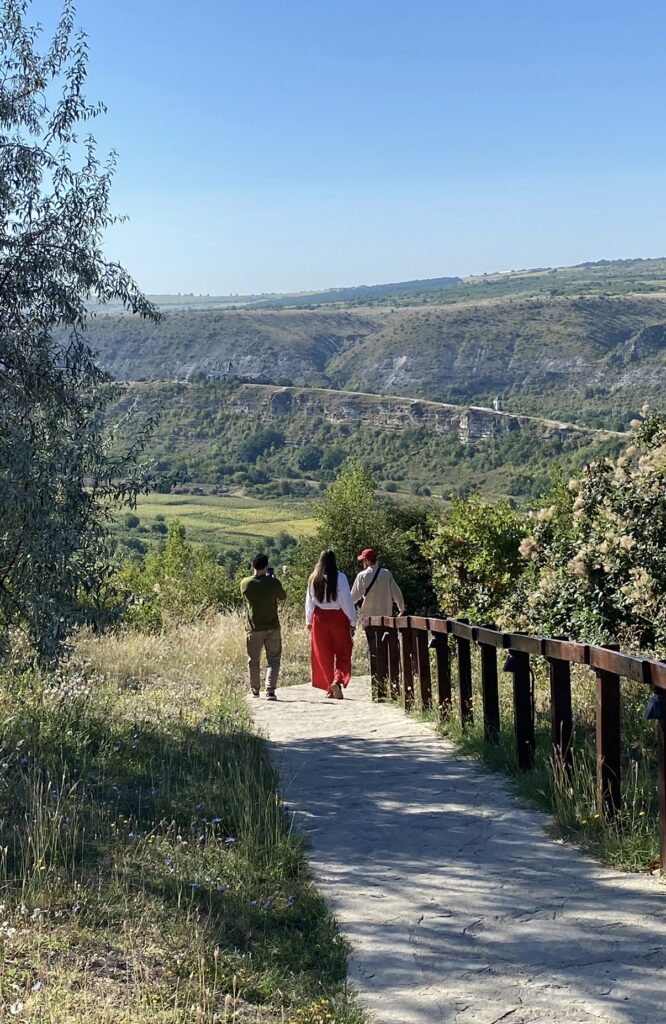
Someone who has already been to the Alps or other famous mountain destinations is unlikely to be shocked by the scale of Moldova’s nature.
Our tourism product is different.
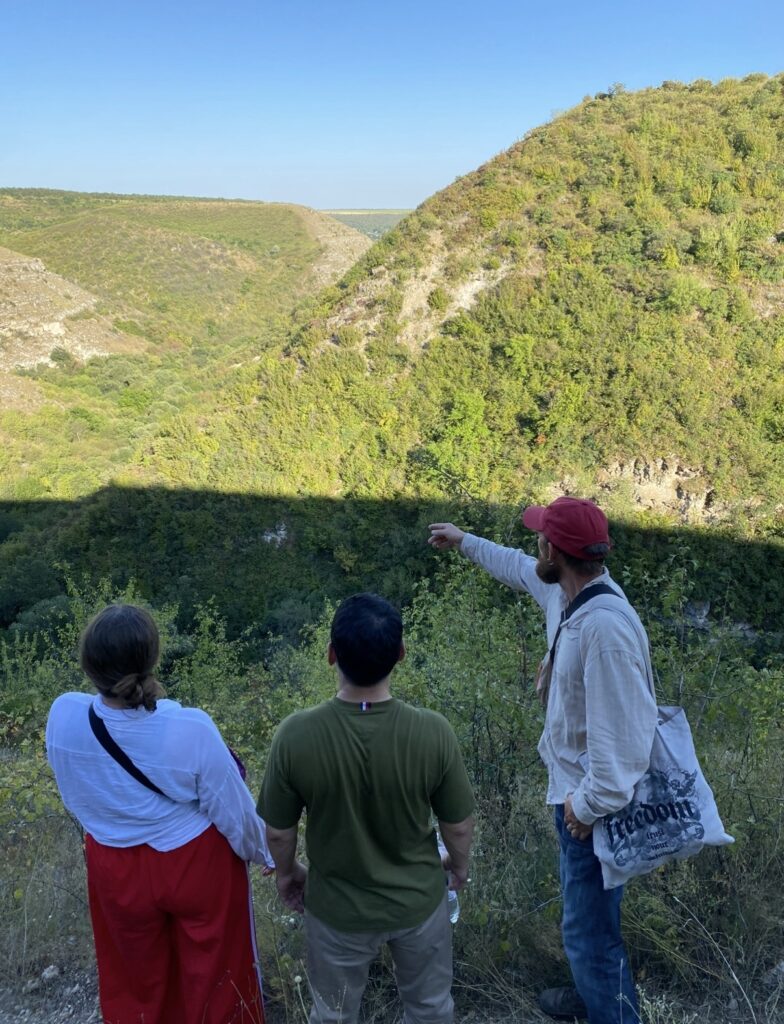
It is about a slow hike, a trip to a village, seeing how people live, and experiencing what Eastern Europe actually looks like.
That is why I build tours around individual requests.
How does that work in practice?
Everything starts with a form.
People tell us what they are interested in, how much time they have and what kind of experience they are looking for. Based on that, I build a route.
Usually, the trips I have organized have lasted around three to four days, although there are very different options. Someone might come just for one day, while another traveler might want a full week.
We also determine how they want to travel. Will they rent a car? Are they willing to use public transportation?
Hotels and food are usually booked by the tourists themselves. What they really need is someone who can help them understand what is worth seeing.
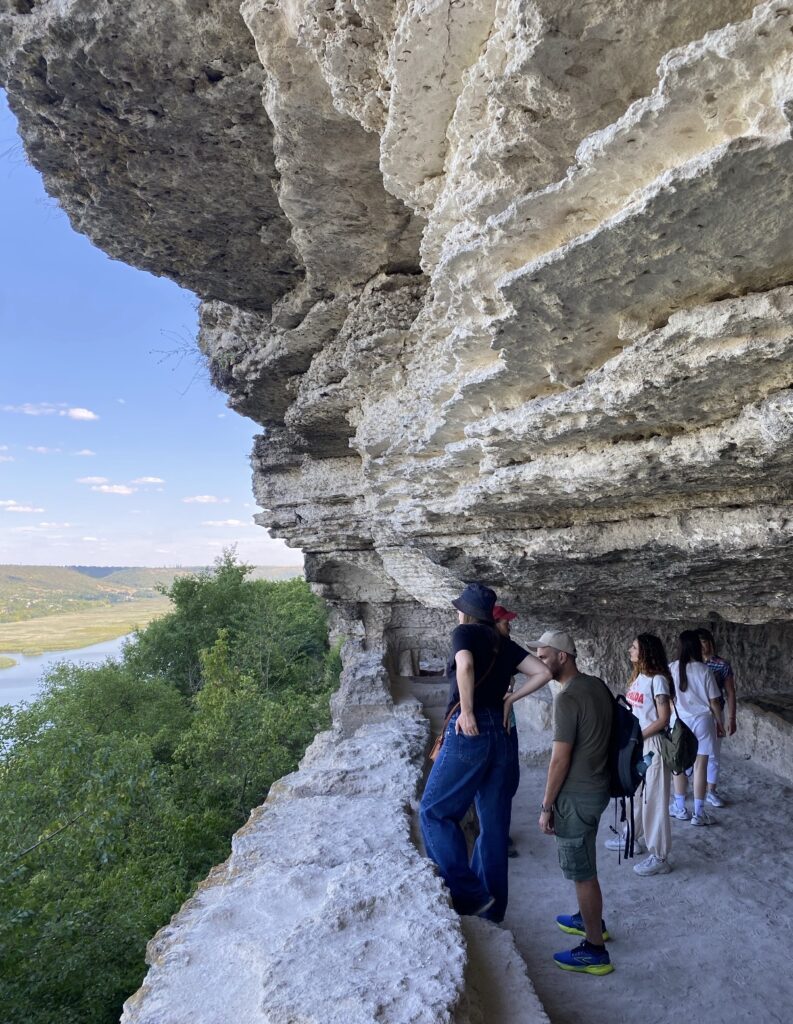
So you are essentially creating a trip around the traveler, rather than selling a fixed package?
Exactly.
I do not want to limit myself to a standard list of routes.
If someone says they want to visit a particular town or location, I will try to organize it. That flexibility is important.
Moldova is small, and most destinations are accessible. In the end, it often comes down to logistics and budget — whether someone is willing to rent a car or wants to use public transportation.
Where do most of your foreign tourists come from?
The United States, unexpectedly.
Statistically, I have had more American tourists than anyone else.
Part of that may be because I work primarily in English. But there is another important factor: many Americans come because they want to learn more about their family roots.
Do you get requests specifically related to ancestry and heritage?
Yes, and this has been becoming more noticeable recently.
For example, I had a potential tour where the clients initially asked me to design a trip around Moldova for a certain number of days. We agreed on a route, but then they came back and said that their main interest was actually Jewish heritage in Moldova.
So we had to completely redesign the tour.
That is why the route can change so much depending on the person.
There are also interesting historical connections in Gagauzia and Transnistria. And in Gagauzia, for example, there are places connected with the history of German settlers.
I think if we made more content about these places, it could also generate interest among tourists from Germany.
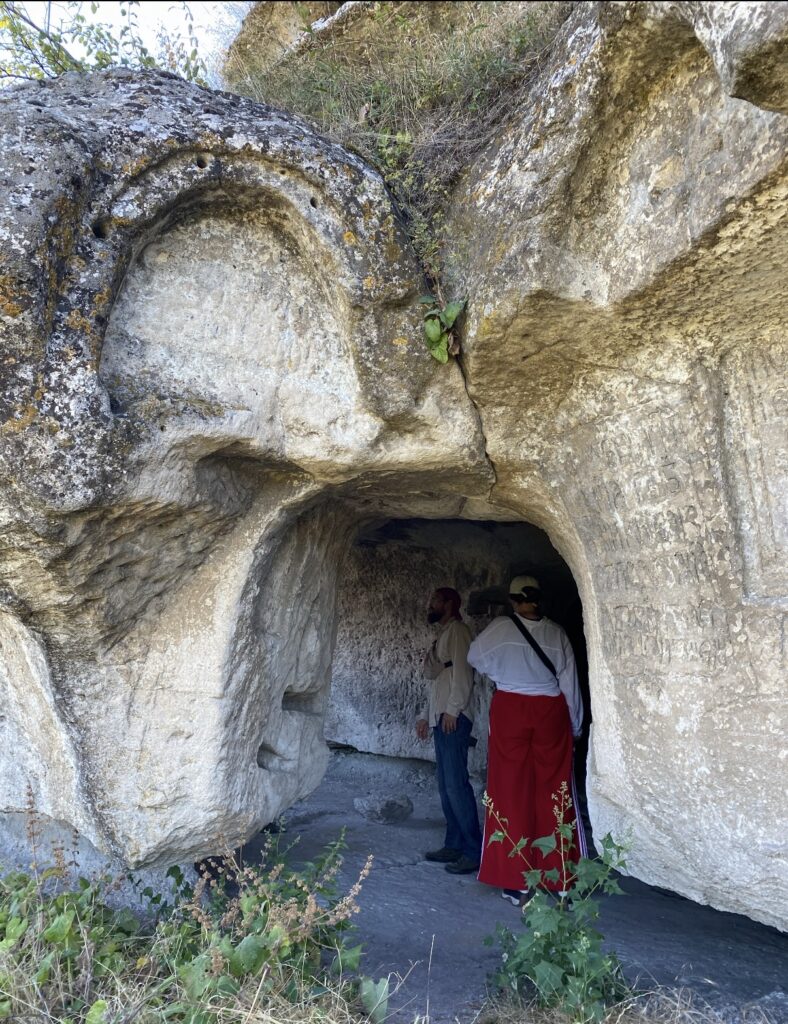
Do you also receive requests from other countries?
Yes. We have had tourists from Germany and Denmark.
And now I am negotiating with Chinese tourists. They need a guide who can organize the trip, accompany them locally and, if necessary, work with a Chinese interpreter.
If someone needs that kind of service, it can be organized as well.
How much would a week-long trip around Moldova cost a foreign visitor?
If we are talking about the overall cost, including accommodation, food and other basic expenses, I think a person could spend around €1,500 for a week, depending on the type of accommodation and travel arrangements.
My own guiding service costs around €150 per day on average.
But it is not completely fixed. It depends on the length of the trip, the person and the arrangements we make.
For larger groups, the price works differently.
How large are your groups?
At the moment, I do not work with groups larger than seven people.
Once you have many people, everything becomes more complicated and the responsibility is greater.
If we eventually have more groups, I will probably need another guide. That is something you really need to think about when you are responsible for a group.
What do you think is the main advantage of your tours compared with regular tour operators?
I have not really thought about it that way.
But I can say that my advantage is that I am genuinely interested in it myself.
If someone comes with a particular request, I am willing to take them almost anywhere. I enjoy discovering these places myself.
So there is a lot of flexibility.
If someone wants to see a particular town or location, I am unlikely to simply say, “We don’t have that tour.” I will try to find a way to organize it.
What does Moldova need to improve in order to attract more foreign tourists?
One of the biggest issues is information.
For example, it can be surprisingly difficult to find clear and up-to-date information about public transportation.
If a tourist wants to travel from Chișinău to a village or to Țipova, they may not know how to get there.
Sometimes schedules exist, but they are buried in PDF files or are outdated.
It would be very useful to have this information constantly updated and available in a simple, understandable format.
Why is public transportation information so important for tourism?
Because not every tourist wants or can afford a guide.
Let’s say someone wants to visit Țipova independently. They may not want to rent a car. They may simply want to take a bus.
If they can easily find information about how to get there, they can still discover that part of Moldova.
And that matters because foreign tourists often spend only a few days here.
If someone spends two days in Chișinău and then decides they have already “seen Moldova,” the chances of them returning are lower.
But if they realize that there are dozens of other places they could visit, that changes things.
Are you already seeing tourists who want to come back?
Yes. That is probably one of the most interesting things.
People often want to return.
We try to work in a way that makes people leave thinking that they would like to experience Moldova again.
Sometimes a tourist initially plans only a few days in Moldova. After having a good experience, they realize that they could repeat the trip — either in exactly the same way or in a completely different format.
And at the moment, Moldova is still relatively affordable for the average European traveler, so coming back is quite realistic.
Do you already feel that interest in Moldova is growing?
There is definitely demand.
But it is still too early for us to talk about meaningful statistics. We have not been doing this long enough to compare one year with another.
What we can say is that people are finding us, coming to Moldova and, importantly, wanting to return.
That is already a good sign.
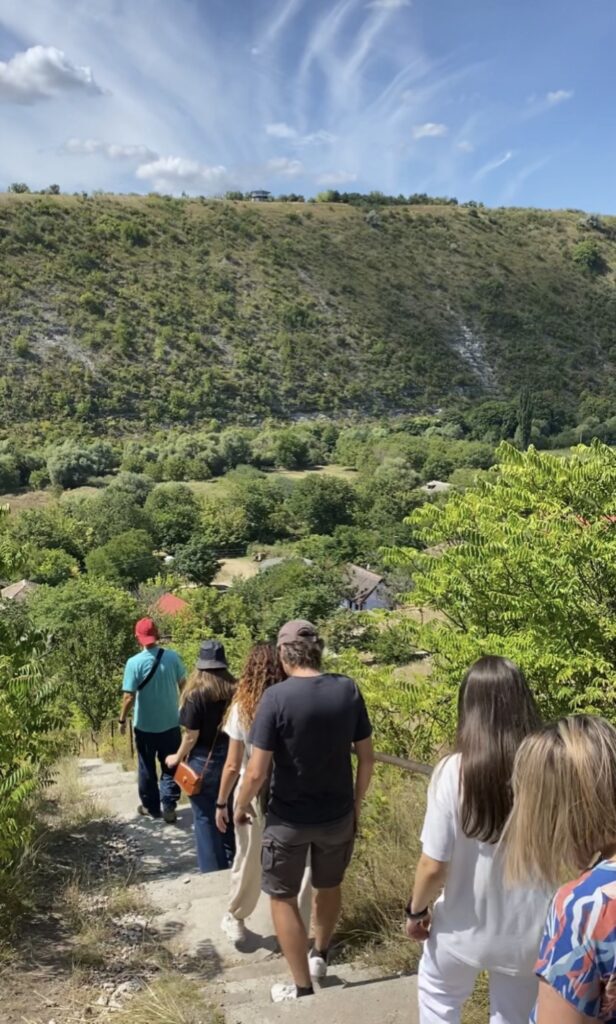
What could help more people discover Moldova as a tourist destination?
The biggest problem is simply that many people do not know what Moldova has to offer.
We can partly address that through the internet and social media. But promoting a country is obviously a much bigger task.
I think Moldova needs to show more than just its traditional tourist attractions.
We should also show the people, the culture, small villages, local producers, different communities, history and unusual routes.
There are so many stories that are still relatively unknown.
For example, Moldova’s German heritage could be interesting to German travelers. Jewish heritage could attract people interested in genealogy and history. Gagauzia and Transnistria also have stories that are difficult to find elsewhere.
The important thing is to show these things properly.
What would you ultimately like foreign tourists to take away from a trip to Moldova?
I think the main thing is the feeling that they have actually seen something real.
Moldova is not going to compete with the Alps in terms of mountains or with the world’s most famous tourist destinations.
We have something else.
You can spend a few days here, move slowly, visit a village, talk to people, taste local food, discover a piece of history and see how life actually looks in this part of Europe.
And then, ideally, you leave thinking:
“I have not seen everything yet. I should come back.”