



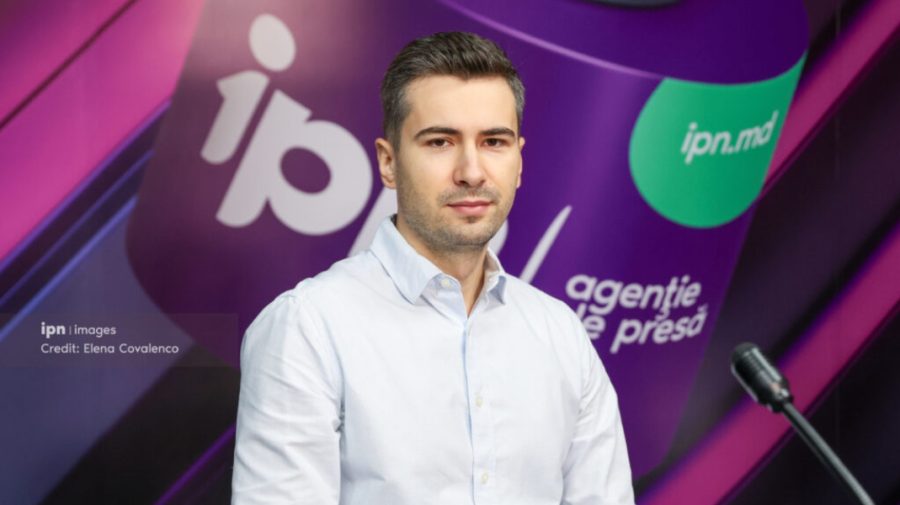
The fears most frequently exploited in disinformation messages about Moldova’s accession to the European Union are those related to people’s values and identity, according to Mihai Avasiloaie, editor-in-chief of the StopFals.md platform.
Avasiloaie made the statement during a public debate titled “EU Accession and the Range of Disinformation About the European Union and the Process of Aligning National Legislation,” organized by the IPN news agency.
According to the journalist, such messages are designed to create fear and give people the impression that closer integration with the EU would require them to give up their national identity and values.
“The fears most frequently exploited are those related to people’s values. For example, people are scared that after accession foreigners will come and buy all their land, or that their children will be forced to change their gender. Many believe that joining the EU means losing their identity, that someone will come and force them to do something,” Avasiloaie said.
In his view, a significant part of these narratives is linked to Russian propaganda, which attempts to associate EU accession with potential military risks.
“When we talk about disinformation, we are referring to a main actor, which is Russia. Russian propaganda tries to create the idea that joining the EU means war and joining NATO, even though these are completely different issues,” Avasiloaie said.
He added that, over time, StopFals.md has identified two main areas targeted by Russian propaganda: false narratives about the EU and Moldova’s accession process, and narratives concerning security and defense.
“Through these two areas, Russia is trying to make citizens of the Republic of Moldova more skeptical about the country’s foreign policy direction toward EU accession,” the journalist said.
Avasiloaie also spoke about another method that he believes is used to fuel distrust and tensions in Moldovan society: exploiting genuine social problems.
“Through propaganda, we see Russia’s attempt to sow disappointment and doubt among citizens. More recently, there has been investment in exploiting social cases — cases of domestic violence, missing children or other situations that are artificially amplified,” he said.
The StopFals.md editor stressed that such cases are real and important, but argued that online trolls, bots, channels and social media accounts can quickly react to them and further inflame public sentiment.
“I am not saying that these cases are not important. They are. But we see trolls and bots, channels and accounts on social networks that react quickly and try to inflame the situation even further,” Avasiloaie explained.