



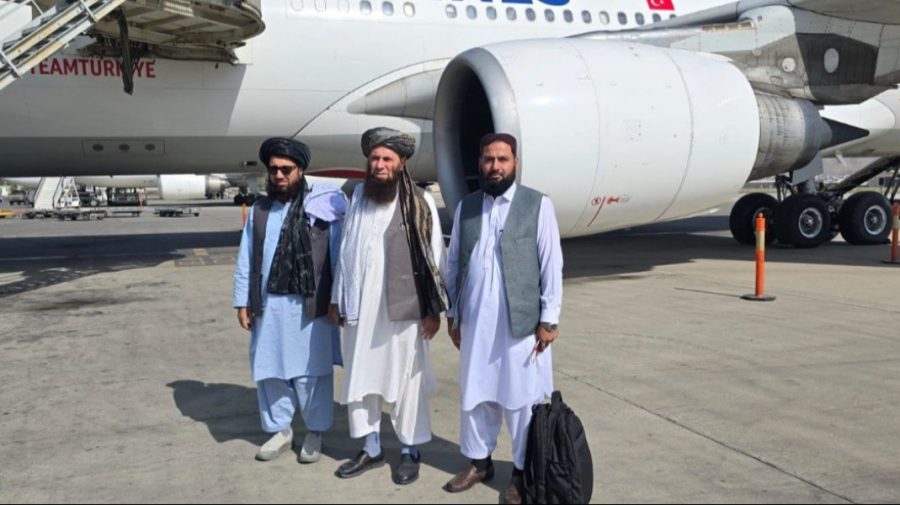
A delegation from Afghanistan’s Ministry of Agriculture has arrived in the Republic of Moldova after receiving entry visas, following reports by The Kabul Tribune that the visit was made at the invitation of the Moldovan government to discuss agricultural cooperation.
According to the Afghan publication, the delegation is led by Deputy Minister for Agriculture and Livestock Sadr Azam Osmani and is expected to remain in Moldova until August 7. The report said discussions were planned on expanding cooperation in agriculture, agricultural research and innovation, plant protection, modern farming technologies, and the implementation of joint practical programs.
The Ministry of Foreign Affairs (MAE) of the Republic of Moldova confirmed that a delegation from Afghanistan’s Ministry of Agriculture had been issued entry visas.
According to the ministry, the visit stems from discussions between Moldovan agricultural producers and representatives of the Ministry of Agriculture and Food Industry regarding the possibility of humanitarian-oriented agricultural exports to Afghanistan, which is facing a severe food security crisis.
The MAE stressed that none of the members of the visiting delegation are subject to international sanctions.
“We emphasize that the members of the delegation who arrived in our country are not subject to international sanctions. At the same time, the Republic of Moldova strictly complies with all international sanctions regimes and does not recognize the Taliban government in Afghanistan. In this context, we inform that no bilateral meetings or any other official contacts with members of the delegation will take place,” the ministry said.
The Moldovan government also announced that it has ordered a review of the circumstances under which the invitation and entry visas were issued, as well as an examination of the relevant internal procedures to ensure full compliance with the country’s legal framework and foreign policy interests.