



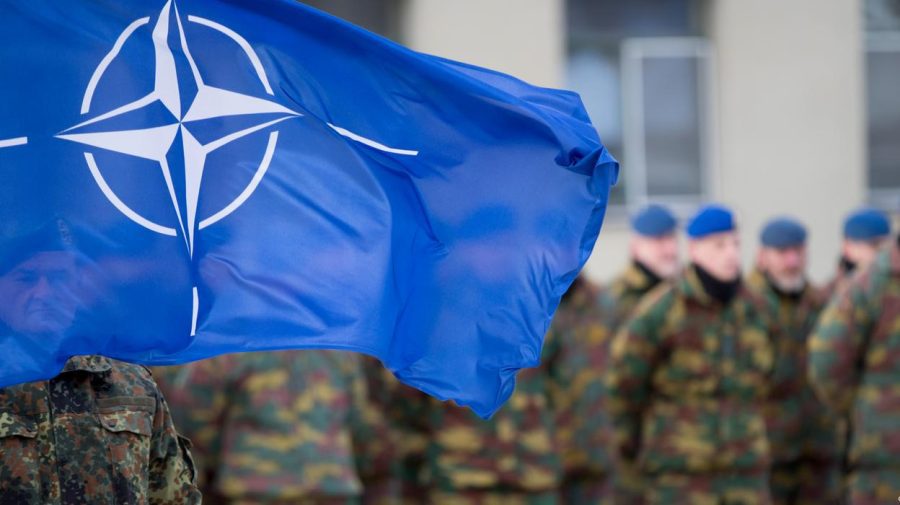
Collective memory and Soviet-era clichés have long frightened Moldovans with narratives about NATO soldiers, says analyst Ion Tabirta, head of the NATO Information and Documentation Centre in Chisinau. He explains that pro-Russian politicians typically spread falsehoods, scare tactics, and negative messages about the military alliance.
Speaking on the RLIVE TV program Teritoria Svobody, the expert noted that anti-NATO rhetoric intensified between 2022 and 2024. He argues that pro-European forces discuss NATO less, while pro-Russian actors aggressively promote manipulative narratives, creating space for the widespread dissemination of false information about Moldova’s relations with the North Atlantic Alliance.
Political scientist Alexandr Makuhin added on RLIVE TV that a modern military specialist must be well-trained, possess multidisciplinary knowledge, and have advanced technological skills. He emphasized that such personnel also need adequate compensation.
“You can buy equipment. Western partners, as far as I understand, provide part of the financing. But you cannot buy people. The Ukrainian army faces this problem when it sends its specialists for retraining in the Netherlands, Denmark, and the U.S. The process is long. Moldova is only beginning this process,” Makuhin said.
In this context, Ion Tabirta explained that Moldovan military specialists have already taken part in exchange programs and training courses in NATO states, but the situation continues to evolve. With the delivery of expensive equipment such as radar systems, entire teams now must undergo training to learn how to operate them.
“Our documents and programs have long relied on Western parameters and standards. NATO programs helped us learn all of this,” Tabirta added, noting that Moldova does already have specialists in basic military training.
The analyst stressed that the Recean Government launched the modernization and reform of the National Army after three decades during which politicians ignored the sector. He believes the process is ongoing and will take decades for Moldova’s military system to reach high standards — and that cooperation with NATO remains one of the essential pillars supporting this effort.