



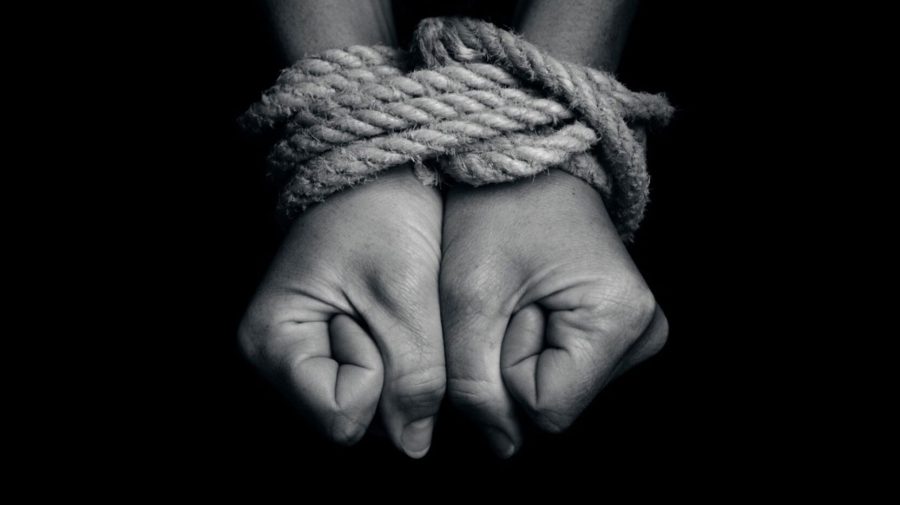
A total of 32 people were identified as victims of human trafficking in the Republic of Moldova during the first six months of 2026, according to data released by the General Prosecutor’s Office. The victims included 27 adults and five children, while authorities warn that human trafficking remains significantly underreported, with most cases never reaching law enforcement.
Among the identified victims were 18 adult men, nine adult women, three girls, and two boys. All received specialized protection and assistance services, including accommodation in support centers, psychological counseling, and state-guaranteed legal aid.
The General Prosecutor’s Office said human trafficking remains a highly hidden crime. According to estimates, only 5–10% of actual trafficking cases are detected or reported, meaning official statistics reflect only a fraction of the problem.
During the same period, prosecutors launched criminal investigations in 28 trafficking cases, including 23 cases involving human trafficking and five involving child trafficking.
A total of 17 criminal cases were referred to court with indictments—eight for human trafficking and nine for child trafficking. Two of those cases involve organized criminal groups.
Courts issued 21 judgments concerning 30 defendants accused of trafficking-related offenses. Nine convictions involving 14 individuals resulted in prison sentences, while 10 acquittals involving 14 defendants were issued. One case was terminated, and another resulted in the charges being reclassified.
In every conviction, courts imposed custodial prison sentences, without alternative penalties, citing the seriousness of the offenses and their social impact. Prosecutors have appealed all acquittals, noting that, according to an internal study, only about 10% of acquittals are ultimately upheld by higher courts.
Authorities say one of the most notable recent trends is the rise in labor exploitation. Most identified victims are men recruited for work in sectors such as construction, agriculture, transportation, and other low-skilled occupations.
The Prosecutor’s Office also warned that traffickers increasingly use social media platforms, messaging apps, and online job portals to recruit victims.
Refugees and migrants—particularly women and children displaced by the war in Ukraine, as well as people without stable incomes—remain especially vulnerable to exploitation.
According to prosecutors, Moldova is no longer only a country of origin for trafficking victims but is increasingly becoming a destination country. The growing number of migrants from Central Asia, South Asia, and Africa has been accompanied by cases involving labor exploitation, confiscation of identity documents, and abusive working conditions.
According to GRETA monitoring data for 2020–2025, Moldova ranks among the European countries where trafficking victims are most frequently forced to commit criminal offenses. Around 7% of Moldovan trafficking victims were coerced into criminal activities against their will.
The Prosecutor’s Office urges citizens to be cautious about suspicious job offers, particularly those promising unusually high earnings without clear employment conditions or requiring travel abroad arranged by unknown intermediaries.
Authorities also reminded the public that the Anti-Trafficking Green Line operates year-round to receive reports of suspected trafficking cases and provide information. The hotline number is (+373) 69 686 206.
World Day Against Trafficking in Persons is observed annually on July 30 to raise awareness of human trafficking and promote the protection of victims.