



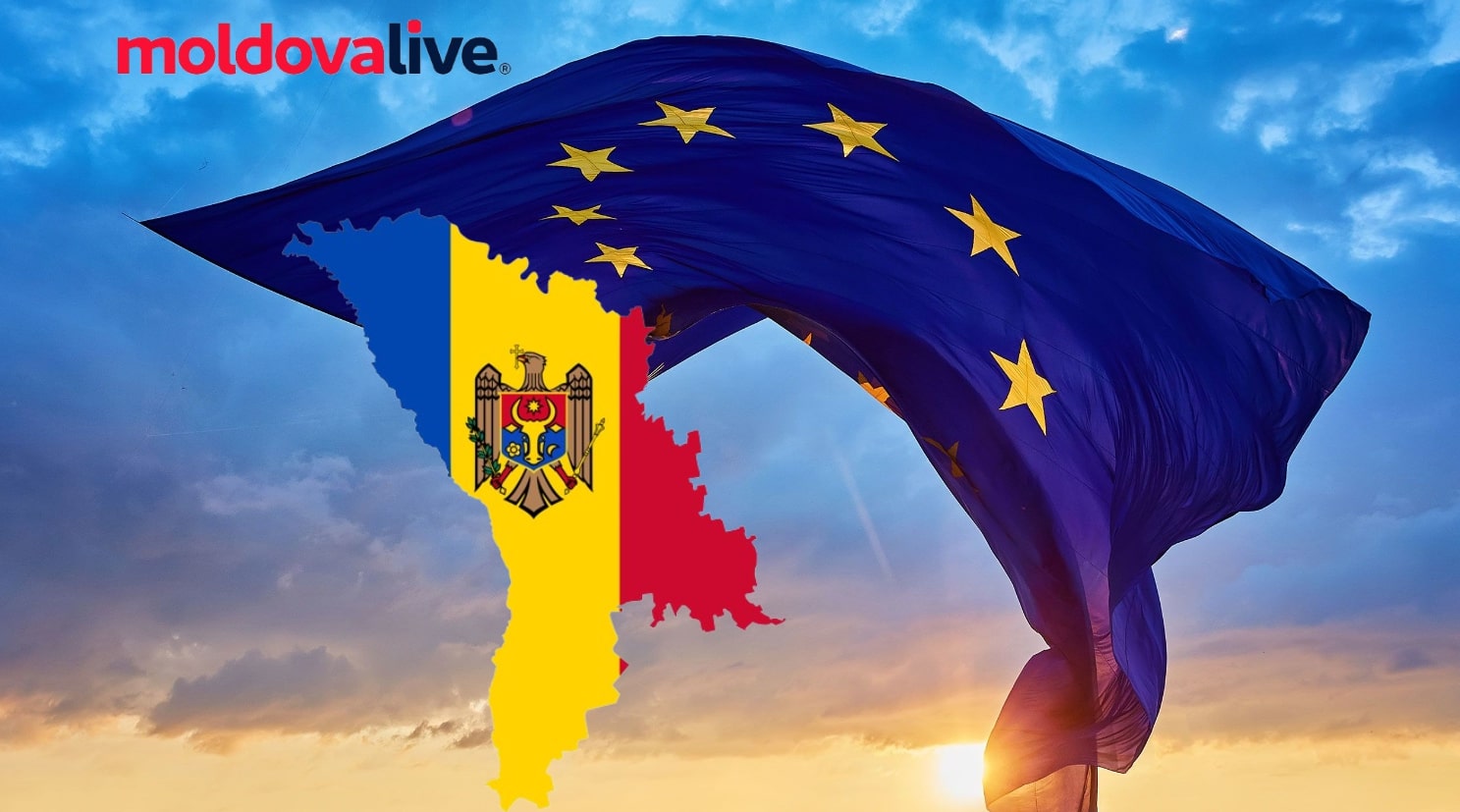
The European Union is preparing to advance accession negotiations with Moldova following political changes in Hungary, according to a report by Politico Europe, which cites EU diplomatic sources.
The shift comes after the political exit of Hungarian Prime Minister Viktor Orbán, who had long been viewed as a key obstacle to EU enlargement. During his time in power, Budapest repeatedly slowed or blocked important steps in the accession process for both Moldova and Ukraine, often delaying consensus among member states.
With that obstacle now removed, EU officials are signaling a renewed push to move the enlargement process forward. Diplomats say the bloc could soon proceed to opening the first negotiation clusters — a major milestone on the path toward membership.
For Moldova, the moment is particularly important. The country has been advancing along the same accession track as Ukraine since both were granted EU candidate status in 2022. Since then, Moldova has stepped up reforms aimed at aligning its legislation and institutions with EU standards, particularly in areas such as the rule of law, anti-corruption measures, and economic governance.
According to Politico, Brussels is now aiming to maintain parallel progress for both Moldova and Ukraine, reflecting broader political support within the EU for deeper integration with Eastern European partners. Officials see enlargement not only as a strategic priority, but also as a geopolitical signal amid ongoing tensions in the region.
If confirmed in the coming weeks, the opening of negotiation clusters would mark a significant step forward for Moldova’s EU ambitions, potentially accelerating its path toward full membership after years of uncertainty and delays.