



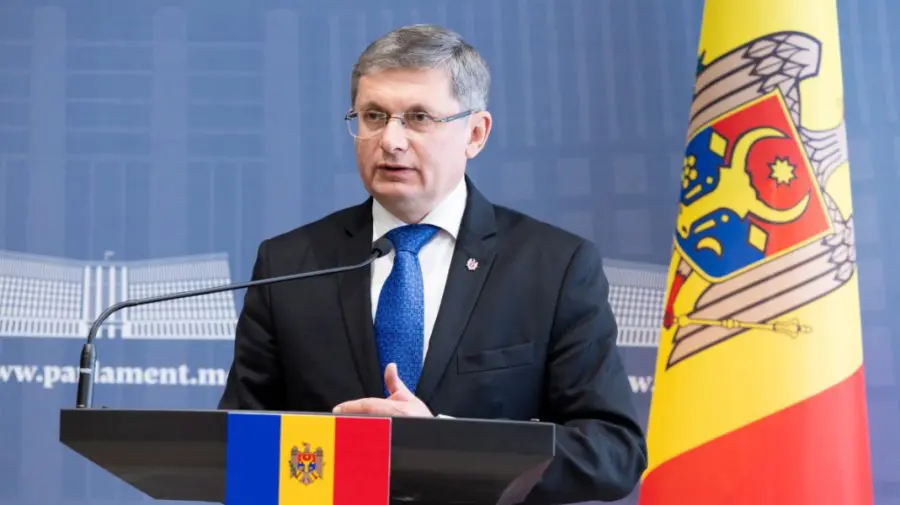
Igor Grosu, Speaker of Parliament, stated that central authorities have held separate discussions with mayors and representatives of deputies from the People’s Assembly of Gagauzia amid ongoing uncertainties surrounding the organization of elections in Gagauzia.
Grosu said one of the main issues is the refusal of some local actors to accept the vetting of future members of regional electoral commissions by state institutions such as the National Anti-Corruption Center and the Security and Intelligence Service of Moldova.
“In the entire country, institutions vet individuals appointed to electoral bureaus. We were told that this rule should not apply in Gagauzia, but this argument does not hold,” he emphasized.
He also raised concerns about the absence of donation caps in electoral campaigns within the autonomy. Grosu noted that national elections impose strict limits on both cash and bank transfer donations.
“Without a cap, this system becomes a gift for criminals,” he said.
The Speaker pointed to discrepancies in voter lists, stating that national registers include around 125,000 voters, while lists in Gagauzia reportedly contain about 90,000. He also highlighted the lack of an effective voter verification system at polling stations to prevent multiple voting.
Grosu announced that authorities have agreed to launch a joint process to develop a clear framework for elections in the region. The initiative will involve deputies, mayors, civil society representatives, and the Central Electoral Commission of Moldova.
“We must develop what has not been done for a year—a solid document on the specifics of elections in Gagauzia that complies with national standards,” he concluded.
Maia Sandu also held consultations together with Grosu with mayors and members of the People’s Assembly. Participants agreed to establish a working group that includes representatives of central institutions, the regional legislature, and local authorities to identify solutions and create the conditions for free and fair elections as soon as possible.
On December 16, 2025, the People’s Assembly scheduled elections for March 22, but authorities canceled them after a government representative challenged the decision in court, arguing that only the national body in Chisinau can use the name “Central Electoral Commission.” The Supreme Court of Justice of Moldova upheld the challenge.
On March 17, the regional legislature set a new election date for June 21, but the Government’s representative in Comrat also challenged this decision, and the case is now under judicial review.
The mandate of the People’s Assembly expired in November 2025. Since authorities have not elected a new legislature, the current composition continues to operate with limited powers.