



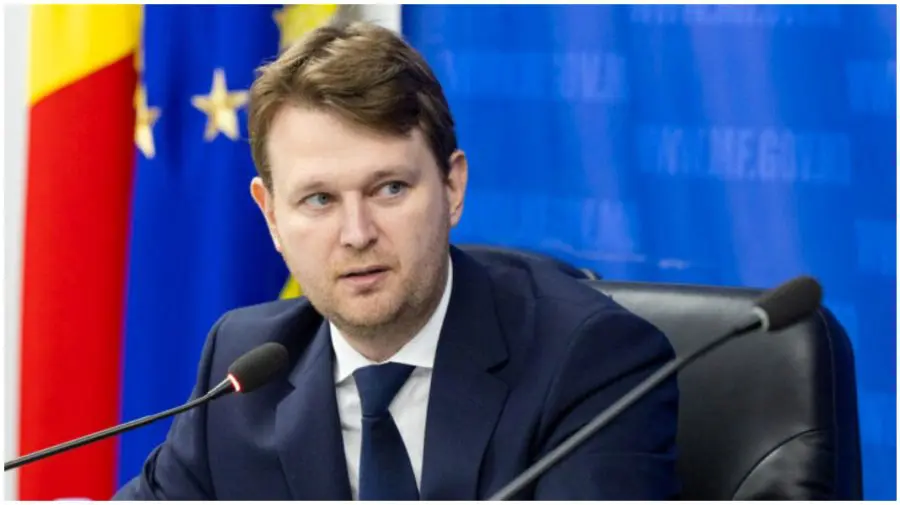
Finance Minister Andrian Gavrilitsa announces three main measures included in Moldova’s fiscal policy for 2027, aiming to encourage investment, reduce the tax burden on labor, and simplify economic activity for self-employed individuals.
According to the minister, the first measure extends the Estonian taxation model to the entire business sector. He says the new mechanism encourages profit reinvestment and supports business growth.
“The first measure is the Estonian model for the entire business environment, with an emphasis on reinvested profits. It will be a project that supports reinvestment and the generation of profits,” Gavrilitsa says.
The second change reduces taxes related to wages and encourages employment. The authorities introduce a work allowance designed to stimulate participation in the labor market.
“It is about reducing the burden on the salaries of all working people. Everyone who works and earns money should pay less, and if we can increase overall earnings, including through the work allowance we want to implement, that is even better. The objective is that everyone who can work should work, and everyone who can invest should invest,” the minister states.
The third measure liberalizes the framework for independent economic activity. Gavrilitsa says the government removes existing restrictions for freelancers and allows any type of economic activity under a simplified regime, with a single payment covering all mandatory contributions.
“We are removing all restrictions so that anyone can carry out any economic activity under a freelancing regime, with a single payment that covers all the necessary contributions,” the Finance Minister says.