



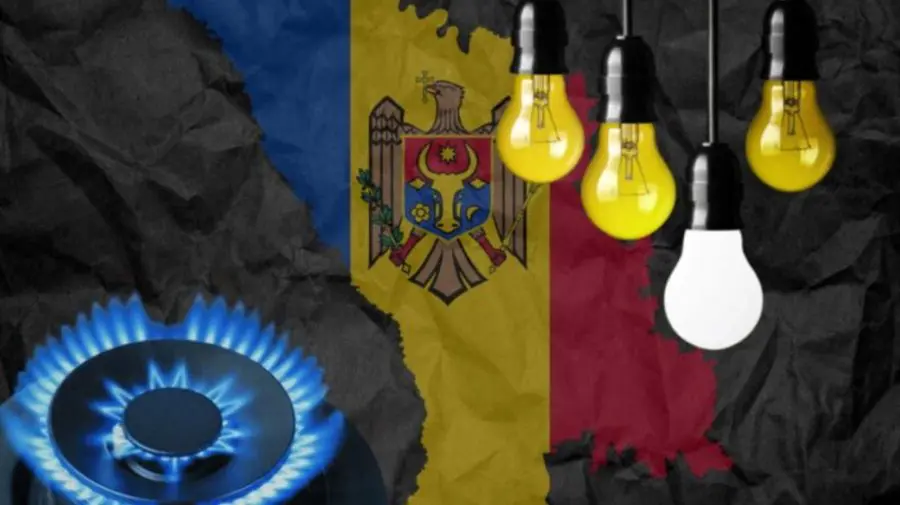
Moldova has officially ended the state of alert in the energy sector, introduced on 25 April, after the Ministry of Energy decided not to extend it, citing improved conditions on the regional and domestic energy market.
The decision follows an assessment of developments over recent months at both national and regional levels. Authorities say the energy system is currently operating under stable conditions, allowing a return to normal market mechanisms in electricity and petroleum product sectors.
However, the ministry stressed that regional and global risks remain. As a result, institutions responsible for the energy system will continue enhanced monitoring and preparedness for potential disruptions.
“Together with system operators and relevant institutions, the Ministry of Energy will continue permanent monitoring of electricity flows and the state of the power system to ensure rapid intervention in case of imbalances or congestion that could affect supply continuity or generate additional costs for consumers,” the ministry said.
During the alert period, authorities implemented several measures to ensure supply security, including managing interconnection capacities for electricity imports and exports and maintaining continuous market surveillance.
Officials said these measures helped stabilise the system and reduced the need for emergency interventions. In April 2026, emergency electricity contracts were used for only four hours during periods of unusually high consumption.
The ministry also noted that domestic renewable energy production is increasing and has contributed to reducing pressure on the system. Between April and June, locally produced energy — including renewables — covered around 40% of national electricity consumption.
Regarding petroleum products, authorities reported no supply disruptions, with operators maintaining sufficient reserves. The ministry said there are currently no imminent risks of shortages, while urging consumers and businesses to use energy resources responsibly.