



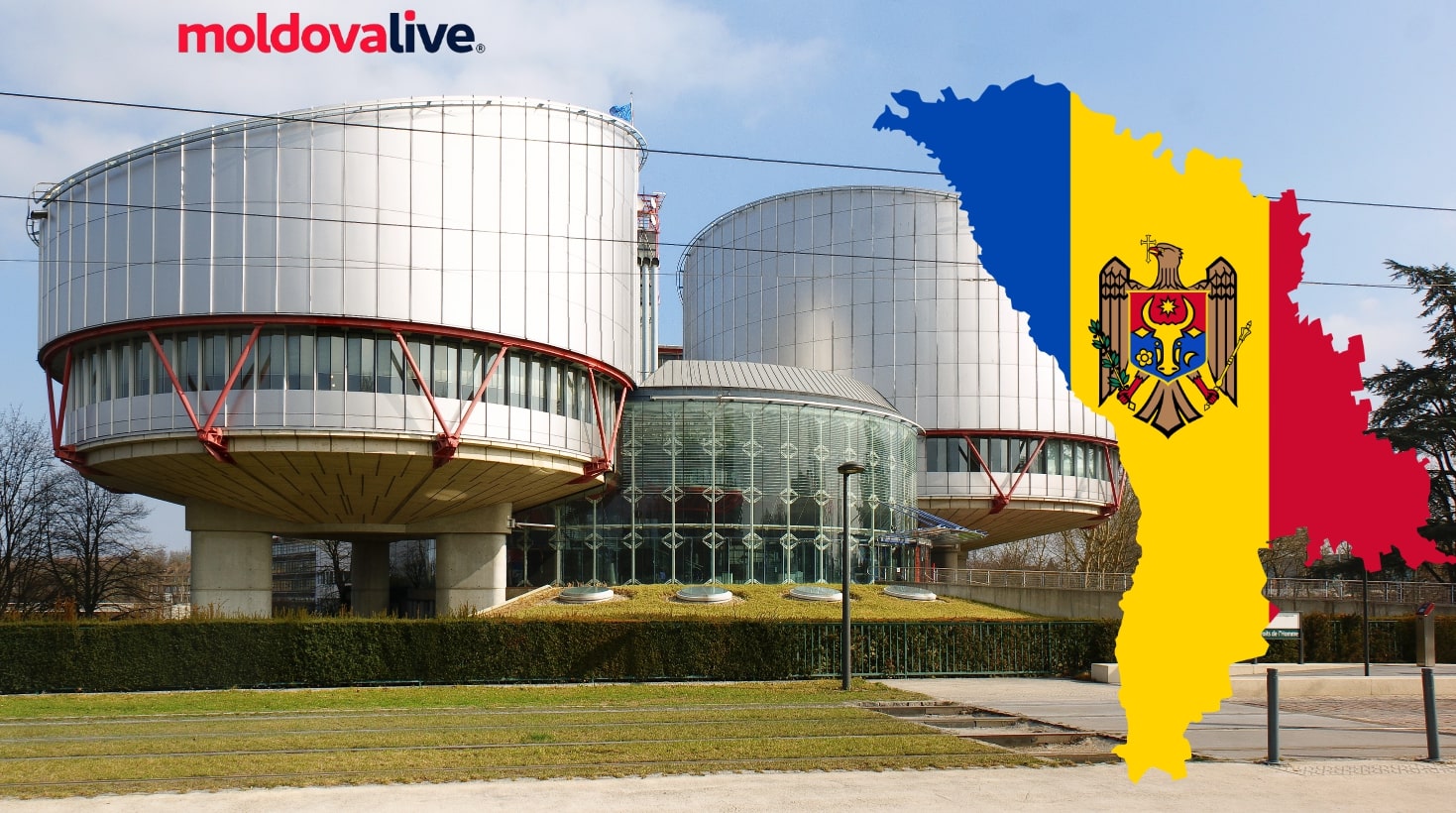
The European Court of Human Rights has condemned the Russian Federation in a new case concerning human rights violations in the Transnistrian region. In its judgment delivered on May 21 in the case of V.I. v. the Republic of Moldova and Russia, the judges in Strasbourg unanimously ruled that Russia violated Article 8 of the European Convention on Human Rights, which guarantees respect for private and family life. The Court found no violation by the Republic of Moldova.
A citizen of both the Republic of Moldova and Ukraine from Camenca filed the case in 2017. Lawyers Alexandru Postica and Nicoleta Hriplivii from the Promo-LEX Association represented the applicant before the ECHR.
The case exposed practices within the paramilitary system in the Transnistrian region, where authorities begin military registration during school years and require young men to complete “military service.” Local structures criminally punish refusal, while military units have been linked to documented cases of violence, abuse, inhumane conditions, and deaths.
In 2004, the applicant’s parents obtained a fictitious medical certificate to exempt him from conscription. Authorities declared him unfit for military service because of an alleged mental illness and included the diagnosis directly in his military booklet, a document required for employment. The applicant stated that employers rejected him for years because of the notation.
In 2012, the applicant asked local “courts” to remove the diagnosis and order a psychiatric examination, but the so-called “Supreme Court” rejected the request in 2017. Moldova’s constitutional authorities also failed to provide an effective remedy after they dismissed both the criminal complaint and civil action.
After the Court communicated the case to the governments in Chisinau and Moscow, authorities issued the applicant a new military booklet in 2018 without the psychiatric diagnosis. He found employment a year later.
The Strasbourg judges concluded that including sensitive medical information in a document intended for third parties seriously interfered with the applicant’s private life. The Court also reiterated that the structures in Tiraspol do not form part of a legitimate judicial system and that documents issued by them cannot justify restrictions on rights guaranteed under the Convention.
The Court ordered the Russian Federation to pay the applicant EUR 7,500 in moral damages and an additional EUR 3,500 for legal costs and representation expenses.
Lawyer Nicoleta Hriplivii stated that the ruling “closes a chapter” that affected the applicant’s life for more than a decade.