



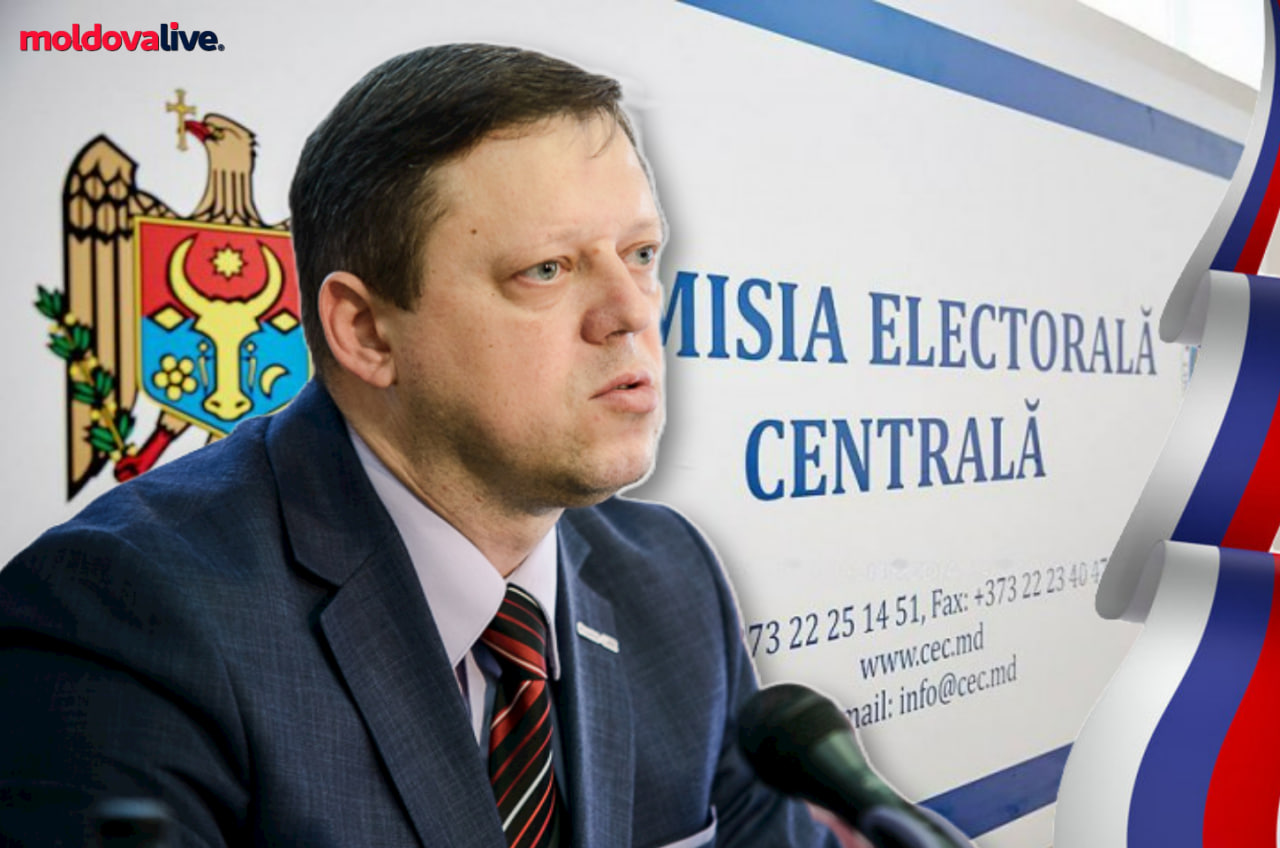
In the Republic of Moldova, elections cannot be organized by structures that are not required by the Electoral Code, and authorities may sanction any deviation from the law. Pavel Postica, Vice Chairman of the Central Electoral Commission of Moldova, clarified this for IPN after the Southern Court of Appeal of Moldova suspended the decisions of the People’s Assembly of Gagauzia regarding the organization of elections for the legislature in Comrat.
The decisions set the election date for June 21 and established a regional electoral body. According to Postica, the legal framework clearly defines who can organize elections and under what conditions, and any electoral structures created outside this framework cannot produce legal effects.
“Any arbitrariness, overstepping of authority, or deviation from legal provisions can be sanctioned. I do not see how an election could be organized by an entity that is not предусмотрed by the Electoral Code,” Postica stated.
He added that the court’s decision was predictable, given a previous ruling in a similar case. At that time, the court annulled decisions of the People’s Assembly regarding the creation of a “Central Electoral Commission of Gagauzia,” as the law provides for the Central Electoral Council of Gagauzia.
Postica also emphasized that dialogue between electoral authorities and the People’s Assembly has stalled. According to him, the legislature in Comrat continues organizing elections under its own framework, despite repeated warnings about non-compliance with the law.
On March 17, the People’s Assembly decided to create a new electoral body and schedule elections for June 21, even though the Supreme Court of Justice of Moldova had previously suspended similar decisions, and earlier planned elections for March had been canceled.
The State Chancellery of Moldova, through its territorial office in Comrat, challenged these decisions in court, citing violations of the Constitution and national legislation.