




Italian authorities discovered 21 workers from the Republic of Moldova and Ukraine in a clandestine cigarette factory in Italy, where they lived and worked in conditions investigators described as a form of slavery, reports Il Messaggero Veneto.
According to reports, the workers slept in improvised spaces inside a warehouse, were not allowed to leave, and worked at exhausting rates in poor hygienic conditions. Recruiters lured them online with promises of construction jobs, but upon arrival, they confiscated their documents, phones, and even clothing. To conceal the location, organizers transported them with masks placed over their faces.
Authorities uncovered the operation in a warehouse of over 2,000 square meters in Udine Province, reports Rotalianul.com. Inside, two production lines could manufacture up to one million cigarettes per day. The perpetrators modified the building to avoid detection, installing soundproofing, surveillance systems, and a powerful generator to bypass the public electricity grid.
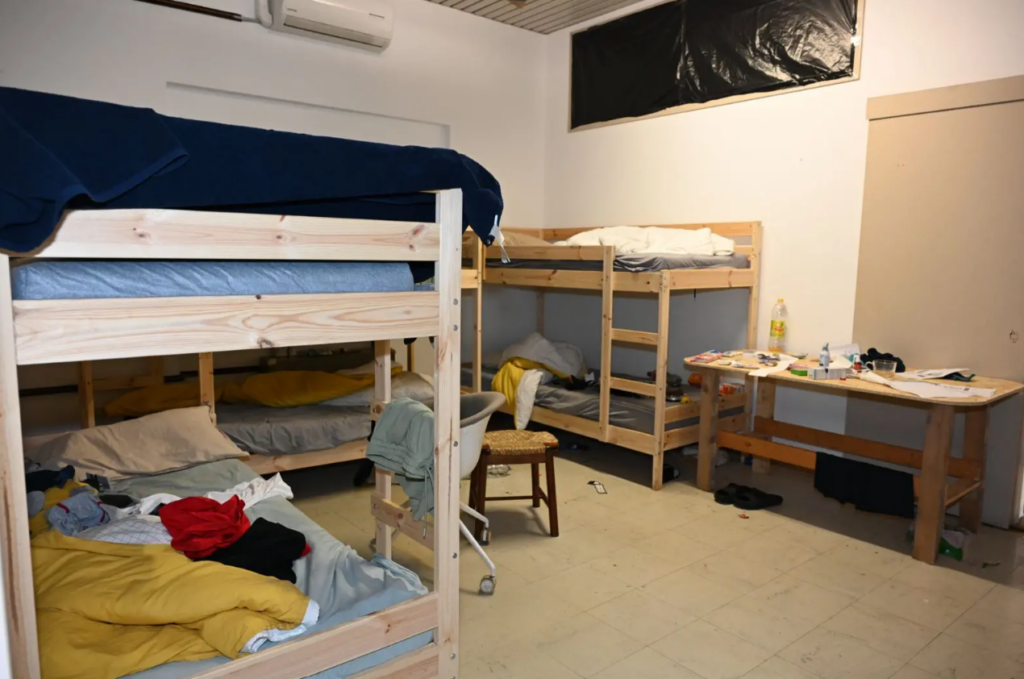
The group produced cigarettes under well-known brands and transported them to a warehouse in Remanzacco before distributing them across European markets. Investigators estimate that over five months, the factory produced about 137 million cigarettes—around 6.85 million packs—with an illegal business volume of approximately €89 million.
Authorities say a well-organized network with links in Ukraine, Romania, and Republic of Moldova operated the scheme, using a logistics network centered on a transport company in Trieste.
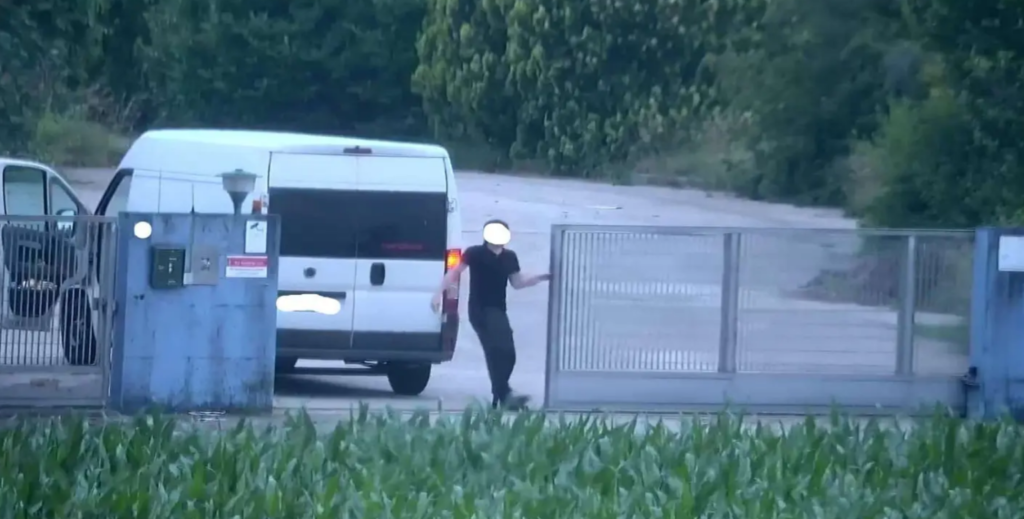
Investigators have charged 29 people in the case and arrested three, including a driver involved in transporting the cigarettes. They also continue to investigate two Italian citizens who deny involvement.
At the end of the operation, authorities confiscated more than 77 tons of cigarettes and raw tobacco worth over €18 million. They also seized industrial equipment valued at €1.5 million, two trucks, and approximately 7 million items and materials used in cigarette production.